Bathroom Remodel Cost in San Antonio: Drivers, Permits and Planning
See what drives bathroom remodel cost in San Antonio, which work needs city permits, and how to read a written scope before demolition starts.
Quick answer
Bathroom remodel cost in San Antonio depends mostly on what changes behind the walls: moving drains or supply lines, adding circuits or ventilation, rebuilding a shower, and repairing hidden water damage. San Antonio generally requires a building permit for remodel and repair work, with separate trade permits when plumbing, electrical or mechanical work is involved. Settle the layout before demolition starts.
Article Topics
- What a Full Bathroom Remodel Usually Includes
- What Drives Bathroom Remodel Cost in San Antonio
- How to Read a Written Bathroom Remodel Estimate
- Permits and Inspections for a San Antonio Bathroom Remodel
- Shower Remodels, Tub-to-Shower Conversions and Waterproofing
- Electrical, Ventilation and Lighting
- Fixtures, Water Use and San Antonio Hard Water
- Older Homes: Lead Paint and Hidden Damage
- How to Avoid Common Bathroom Remodel Problems
- Frequently asked questions
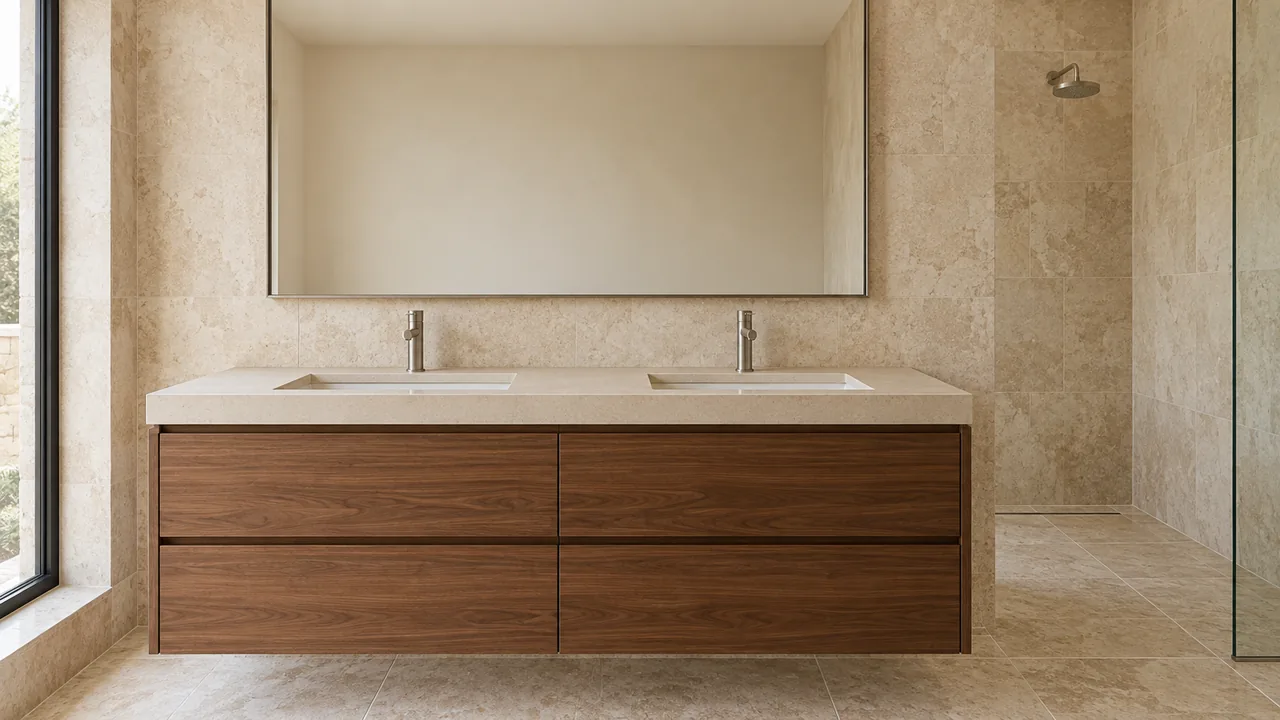
Bathroom remodel cost in San Antonio comes down to one early decision, and you get to make it before anyone opens a wall.
Start with the scope: decide whether the project only replaces fixtures and finishes, or also moves plumbing, adds electrical work, changes ventilation or alters walls. That one decision drives most of the cost, the permits and the schedule.
Once you know which kind of project you have, you can ask the right questions about permits, trades and the written estimate, and compare bids on the same terms.
What a Full Bathroom Remodel Usually Includes
A full bathroom renovation can include demolition, framing corrections, shower or tub layout changes, bathroom plumbing, drain and vent work, shower valve replacement, waterproof backer board, tile, vanity installation, lighting, GFCI-protected outlets, exhaust fan work, drywall, paint, trim, glass, mirrors and final punch-list details.
If the project changes walls, moves plumbing, adds circuits, replaces a tub with a shower or adds mechanical ventilation, plan it as a permitted remodel rather than a handyman patch.
C.S.W. scopes bathroom remodeling in San Antonio from demolition through the final punch list, with plumbing and electrical work handled under its own licenses.
What Drives Bathroom Remodel Cost in San Antonio
Cost depends less on the room's size than on how much hidden infrastructure changes. A cosmetic refresh with paint, fixtures and a vanity costs far less than a shower rebuild with new plumbing, tile, glass, waterproofing and electrical work. The biggest drivers are:
- Moving a drain, toilet or shower valve, especially through a slab.
- Shower size, waterproofing system, tile selection and glass.
- Water-damaged subfloor or framing found during demolition.
- New circuits, lighting, GFCI protection and an exhaust fan.
- Code corrections from older work.
- Fixture and finish choices, such as a freestanding tub, a wall-mounted toilet or large-format tile, that need extra framing, blocking or floor preparation.
A written scope should separate labor, material allowances, trade work, permits and optional upgrades so you can decide where the budget goes.
Two bathrooms of the same size can land far apart on price. A hall bath that keeps its tub, toilet and vanity where they are mostly pays for materials and finish labor. A primary bath that trades a tub for a walk-in shower pays for demolition, drain work, a new valve, waterproofing, tile labor and glass before any finish shows.
How to Read a Written Bathroom Remodel Estimate
Bathroom remodel cost in San Antonio is hard to compare across bids unless each estimate lists the same work. Ask every contractor to break the scope into lines you can check side by side:
- Demolition and haul-off: what comes out, and whether disposal is included.
- Rough plumbing: drain, supply and valve work, with fixture locations noted.
- Shower build: the waterproofing system by name, the curb or curbless approach and the drain type.
- Electrical and ventilation: circuits, GFCI protection, lighting and the exhaust fan with its duct route.
- Finish labor: tile, drywall, paint and trim, priced separately from materials.
- Allowances: the amount set aside for items you still have to choose, such as tile, vanity, faucets and glass.
- Permits: which permits are included and who pulls them.
- Exclusions: anything the price does not cover.
Allowances deserve a close look. If an allowance is set below the products you actually want, the final bill rises even though the estimate looked lower. Ask how hidden damage will be handled too. A clear scope explains how rotted subfloor or a failed drain found during demolition gets documented, priced and approved in writing before the work changes.
Permits and Inspections for a San Antonio Bathroom Remodel
The City of San Antonio Development Services Department says a building permit is typically required when you build, remodel, repair or demolish a structure, and that one project can need separate building, electrical and plumbing permits. The city also says new electrical, plumbing and HVAC components must be installed by licensed trade contractors.
For a bathroom, ask which permits apply when supply, drain or shower-valve lines move; when circuits, lighting, fans or GFCI protection change; and when ventilation work is involved. The city decides what your scope needs, so confirm it before demolition. Homes outside the city limits follow their own city's or county's rules.
What the city lists for remodels
The Development Services Department's Home Remodeling FAQ (dated August 2019) says installing faucets, sinks, toilets, water heaters or softeners takes a plumbing permit; installing receptacles, light fixtures or ceiling fans takes an electrical permit; and installing exhaust fans takes a mechanical permit. The same FAQ and the city's current No Permit Required list put cabinets, countertops, painting, sheetrock repair and tiling among the projects that typically do not need a permit. A bathroom that only gets new tile and paint is a very different permit picture from one where the toilet, vanity plumbing or fan changes.
Homes in a historic district, neighborhood conservation district or flood zone get extra review. The FAQ says the application goes to the matching review office, and the No Permit Required list warns that design and material restrictions may apply in those districts. The city's residential permits page adds that a homeowner can apply for a plumbing permit only for an existing home that is their homestead, and only when doing the work personally. Because the FAQ is several years old, confirm current requirements with Development Services at 210-207-1111 before you budget.
Scheduling inspections
The city says inspections can be scheduled online through the BuildSA portal or by phone, and requests placed before midnight are scheduled for the next day. Ask your contractor which inspections your permits trigger and when they fall, so tile and drywall are not scheduled before the work behind them is approved.
Before you hire, check how San Antonio code compliance and contractor registration work, including what the city's Strike Team looks for.
Shower Remodels, Tub-to-Shower Conversions and Waterproofing
Shower remodels are one of the most valuable bathroom upgrades, and they are also where shortcuts hurt the most. A good shower needs the right slope, drain connection, waterproofing system, niche framing, valve height, fixture blocking, glass planning and tile layout before the first finish tile is set.
Tub-to-shower conversions may also require drain relocation, subfloor repair, curb or curbless design decisions and careful waterproofing transitions at walls and floors. If the bathroom is upstairs or over finished living space, leak prevention is the priority from day one.
Ask which waterproofing system will be used, where it stops and starts at the curb and walls, and how it will be checked before tile goes on.
Electrical, Ventilation and Lighting
Bathrooms need practical electrical planning: GFCI-protected outlets, dedicated circuits where required, vanity lighting, shower-rated fixtures, exhaust fan wiring and controls. Poor ventilation can damage paint, drywall, cabinetry and framing over time. With electrical work performed under Texas Electrical Contractor license TECL #31793, C.S.W. can plan lighting, outlets and fans within the same remodel scope.
The EPA's moisture guidance puts it plainly: the key to mold control is moisture control. It recommends running the bathroom fan or opening a window when you shower, and drying water-damaged areas within 24 to 48 hours. A fan that is planned with the remodel, wired to a convenient control and ducted along a clear route makes that habit easy to keep.
Plan vanity and shower lighting with the rest of the electrical scope. If your remodel adds circuits, the electrical code checklist for San Antonio remodels lists the panel, GFCI and AFCI questions to settle with your electrician first.
Fixtures, Water Use and San Antonio Hard Water
Your fixture choices affect both the remodel budget and the water bill afterward. EPA WaterSense labeled toilets use 1.28 gallons per flush or less and are independently certified for both performance and efficiency, so a new toilet can save water without giving up flushing performance.
Water quality matters too. The Texas Water Development Board says San Antonio gets almost all its water from the Edwards Aquifer and describes that groundwater as hard. The U.S. Geological Survey notes that hard water can cause mineral buildup in plumbing, fixtures and water heaters, so choose glass, faucets and finishes you can keep clean, and decide whether a water softener makes sense for your home before new fixtures go in.
If you are adding a large soaking tub or extra shower heads, ask whether your current water heater can keep up. A water heater repair or replacement decision is easier to plan while the plumbing is already open, and licensed bathroom plumbing can cover the new supply, drain and valve work in the same permit.
Older Homes: Lead Paint and Hidden Damage
If your home was built before 1978, EPA's Renovation, Repair and Painting requirements generally apply to paid renovations that disturb painted surfaces. Covered work requires a certified firm and trained renovators using lead-safe practices; documented lead-free components and some minor repairs are exempt, but demolition of painted surfaces and window replacement remain covered regardless of area. Tearing out a bathroom wall, ceiling or trim can disturb old paint. Ask whether your contractor is lead-safe certified and how dust will be contained, especially if children live in the home.
Older bathrooms also hide problems that only show up once tile and drywall come off: soft subfloor around the toilet, rotted framing behind a leaking shower valve, or old repairs that were never permitted. Keep a contingency in your budget for findings like these, and ask that any change to the scope be priced and approved in writing first. If damage reaches walls or ceilings outside the bathroom, drywall repair can be folded into the same project.
How to Avoid Common Bathroom Remodel Problems
The usual problems are vague scopes, surprise plumbing changes, poor waterproofing, tile lippage, weak ventilation, missing permits and nobody coordinating the trades. Before work starts, confirm:
- Exact fixture locations and shower dimensions.
- Tile pattern, grout type and glass plan.
- Vanity size, mirror and lighting layout.
- Exhaust fan route.
- Who pulls each permit and schedules inspections.
- That each trade on the job holds the license its work requires.
You can verify an electrical contractor through the Texas Department of Licensing and Regulation license search and a plumber through the Texas State Board of Plumbing Examiners public license search. If you are updating a kitchen too, kitchen remodel budget, timeline and trade planning follows the same scope-first approach.
Frequently asked questions
What makes a bathroom remodel cost more?
Hidden infrastructure changes cost more than finishes: moving a drain, toilet or shower valve, adding circuits or an exhaust fan, rebuilding a shower with new waterproofing, and repairing water-damaged subfloor or framing. Tile size, glass and fixture selections also matter, but a cosmetic refresh that keeps fixtures in place usually costs far less than a layout change.
Do bathroom remodels in San Antonio need permits?
The City of San Antonio says a building permit is typically required to remodel or repair a structure, and a project can need separate building, electrical and plumbing permits. The city also says new electrical, plumbing and HVAC components must be done by licensed trade contractors. Confirm the exact permits for your scope before work begins.
How long does a bathroom remodel usually take?
Timeline depends on demolition findings, material lead times, inspection scheduling, tile and waterproofing cure times, and fixture delivery. A like-for-like refresh moves faster than a remodel that relocates plumbing or rebuilds a shower, so ask for a written schedule that shows inspection points.
Do I need a permit to replace a vanity or retile a San Antonio bathroom?
San Antonio's No Permit Required list includes cabinets, countertops, painting, sheetrock repair and tiling. The city's Home Remodeling FAQ says installing faucets, sinks and toilets takes a plumbing permit, and installing exhaust fans takes a mechanical permit. A new vanity cabinet alone may not need a permit, while the sink and faucet hookup can. Confirm your exact scope with Development Services.
How do I compare bathroom remodel estimates?
Ask each contractor to list the same lines: demolition, rough plumbing, the shower waterproofing system, electrical and ventilation, finish labor, material allowances, permits and exclusions. Check that each allowance matches the products you actually want, and ask how hidden damage found during demolition will be documented, priced and approved in writing before the work changes.
Does lead paint matter in an older San Antonio bathroom?
It can. EPA's Renovation, Repair and Painting requirements generally apply to paid work that disturbs paint in pre-1978 housing, with exceptions for documented lead-free components and some minor repairs. Covered work requires firm certification and trained renovators using lead-safe practices; demolition of painted surfaces and window replacement remain covered regardless of area. Ask your contractor about certification and dust containment before bathroom demolition.
Sources
- City of San Antonio Development Services, Residential permits. Retrieved October 13, 2026.
- City of San Antonio Development Services, No Permit Required list. Retrieved October 13, 2026.
- City of San Antonio Development Services, Home Remodeling FAQ (dated August 2019). Retrieved October 13, 2026.
- City of San Antonio Development Services, Residential inspections. Retrieved October 13, 2026.
- U.S. Environmental Protection Agency, Lead Renovation, Repair and Painting Program. Retrieved October 13, 2026.
- U.S. Environmental Protection Agency (WaterSense), Residential toilets. Retrieved October 13, 2026.
- U.S. Environmental Protection Agency, A Brief Guide to Mold, Moisture and Your Home. Retrieved October 13, 2026.
- Texas Water Development Board, Edwards (Balcones Fault Zone) Aquifer. Retrieved October 13, 2026.
- Texas Department of Licensing and Regulation, Electricians and electrical contractors (license search). Retrieved October 13, 2026.
- Texas State Board of Plumbing Examiners, Licensing and regulation of Texas plumbers. Retrieved October 13, 2026.
- U.S. Geological Survey, Hardness of Water. Retrieved October 13, 2026.
Planning a bathroom remodel?
C.S.W. Power Solutions, a veteran-, family- and minority-owned contractor serving San Antonio, can review layout changes, shower conversions, plumbing fixtures, lighting and ventilation in one written scope. Plumbing work is performed under RMP #46592 and electrical work under TECL #31793. Call 210-880-2864 or book an estimate online.
Related service: Bathroom Remodeling
Online estimate appointments need at least 24 hours' notice. Need help sooner? Call 24/7: (210) 880-2864.
Or call 210-880-2864