Repair or Replace Water Heater? A San Antonio Homeowner Guide
Deciding whether to repair or replace water heater equipment in San Antonio? Compare leaks, age, warranty, tank vs tankless options and permit steps.
Quick answer
Whether to repair or replace water heater equipment depends on what failed and the condition of the tank. Repair may suit a water heater with a serviceable component fault and otherwise sound equipment. Replacement deserves closer consideration when the storage tank leaks or the equipment has extensive damage. A professional diagnosis should identify the cause, assess the installation and explain the options for your San Antonio home.
Article Topics
- Describe what changed in your hot water
- A leak needs a location, not an assumption
- A dripping relief valve is a warning, not the failure
- When water heater repair may be worth considering
- When replacement deserves a closer look
- Repair or replace water heater: common signs side by side
- How long water heaters last, and why age is only context
- Check the warranty and the nameplate first
- Sediment and water quality need careful interpretation
- Tank, tankless or heat pump: choosing the replacement
- Check the complete replacement scope
- What changes the cost of repair versus replacement
- Prepare for the service visit safely
- Maintenance that helps the next heater last
- Choose from a diagnosis you can understand
- Frequently asked questions
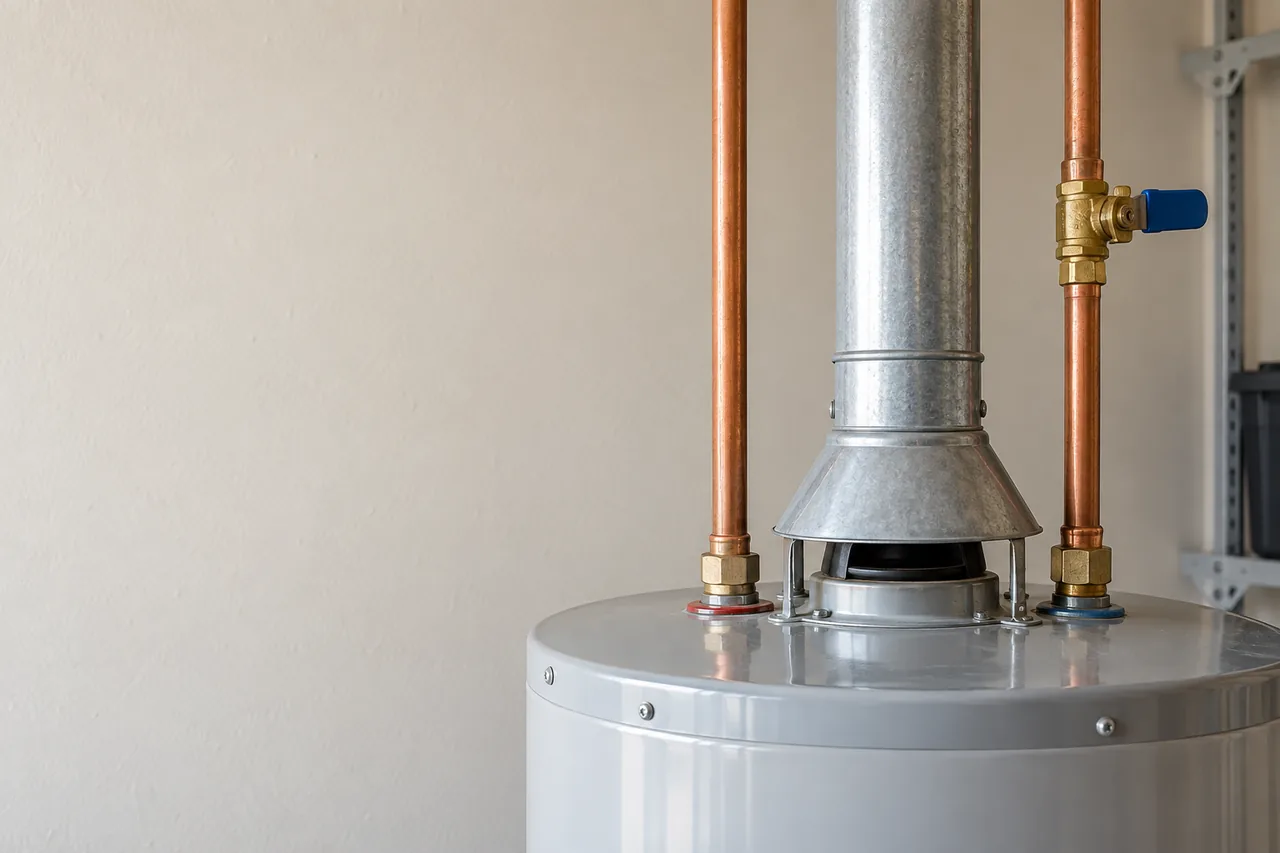
When you need to decide whether to repair or replace water heater equipment in San Antonio, the answer should come from what actually failed. Water heater repair in San Antonio starts with finding the source of the problem. A failed component, a leaking connection and a damaged storage tank can produce similar symptoms, but lead to different recommendations. Before you decide on replacement, gather a few safe observations and ask for a diagnosis that explains the condition of the heater and its connections.
Age, warranty coverage, household demand and the cost of changing heater type all belong in the decision too. Knowing them before the visit makes a repair quote and a water heater replacement quote much easier to compare.
Describe what changed in your hot water
Think about the first sign you noticed. Did hot water disappear suddenly, become inconsistent over several days, or run out sooner than it used to? Tell the plumber whether every fixture is affected. A shower that changes temperature while other fixtures work normally may need a different investigation from a house with no hot water anywhere.
Write down recent changes in household demand. Additional occupants or overlapping showers can expose a capacity problem even when the heater still operates. Mention any plumbing work or utility interruption that happened before the symptoms. These details help separate equipment trouble from a change in how the home uses hot water.
A leak needs a location, not an assumption
Water around a heater deserves prompt professional attention. Moisture can come from a supply connection, a valve, a nearby pipe or the storage tank itself. The repair decision depends on where it originates. A tank that has lost its integrity generally requires replacement; an external connection may have a repairable cause.
Take a photograph from a safe, dry position if you can. Avoid touching wet electrical equipment or reaching behind the heater. Keep away from hot discharge water. Do not plug a relief valve or discharge pipe. If you smell gas, leave the area and contact emergency services or your gas utility from a safe location.
If water reached drywall, flooring or nearby wiring, follow a safe order for a leak that involves plumbing, electrical and drywall. If the heater and its connections are dry but your water meter still shows use with everything off, water leak detection can trace a hidden line. When the trail leads under the foundation, the slab leak repair cost drivers are worth knowing before anything is opened.
A dripping relief valve is a warning, not the failure
Gas and electric tank water heaters have a safety device called a temperature and pressure relief valve, or T&P valve. A. O. Smith explains that if the tank is over-pressurized, the valve opens and releases the pressure; if it does not work correctly, the tank can over-pressurize and explode. That makes it the one part you never want removed, capped or plugged.
A dripping relief valve does not automatically mean the heater is finished. A. O. Smith notes that these valves drip when water pressure is too high or from thermal expansion in a closed plumbing system, and recommends controlling the water pressure and installing a thermal expansion tank before replacing a dripping valve. The manufacturer also says the valve should be inspected once a year by the owner and every five years by a professional. For you, that yearly check means looking at the valve and discharge pipe for drips, dampness or corrosion; leave lever testing and valve replacement to a licensed plumber, and follow the label on your valve. Water from the discharge pipe can be scalding, so if you are unsure, ask the plumber to check it during the visit.
Large-volume hot discharge can indicate overheating rather than ordinary expansion. Keep clear of the discharge and seek urgent professional assessment; never block the valve or discharge pipe.
When water heater repair may be worth considering
A professional may recommend repair when the problem is limited to a serviceable component and the rest of the heater remains suitable for use. Electric heating elements, controls and some external plumbing connections can be repair candidates. Gas equipment requires evaluation of its controls, combustion and venting by a qualified professional.
Ask what failed, what evidence supports the diagnosis and what the proposed work will correct. Also ask whether other observed conditions affect the recommendation. A useful repair explanation connects the symptom to the cause. It should distinguish a confirmed fault from an issue that still needs investigation. Our San Antonio water heater repair service page explains how to request an assessment.
When replacement deserves a closer look
Replacement becomes more relevant when the tank leaks, damage is extensive, or repeated failures make another repair difficult to justify. The condition of the heater matters more than a single symptom. Age, service history and parts availability help a professional assess the options, but age alone does not prove that replacement is necessary.
Use the visit to discuss household needs. A replacement should suit hot water demand, available space and the existing fuel or electrical supply. Switching between storage and tankless equipment can change the installation scope. Gas supply, venting, electrical capacity and water connections may all need review before equipment is selected.
Repair or replace water heater: common signs side by side
Compare these common symptoms before your plumber arrives. They reflect common causes listed by water heater manufacturer A. O. Smith, and an on-site diagnosis still decides whether repair or replacement makes sense for your home.
| What you notice | Often a repair candidate when | Replacement deserves a look when |
|---|---|---|
| Water around the heater | A valve, fitting or connector is the source | The tank itself is leaking |
| No hot water | The cause is a heating element, pilot, thermopile, power or fuel supply problem | Failures keep repeating on an older unit |
| Not enough hot water | A thermostat, heating element or sediment is limiting output | Household demand has outgrown the tank size |
| Popping or rumbling | Sediment is the cause and flushing helps | Noise continues after service, which A. O. Smith links to a failing element or a cracked tank |
| Age and condition | The unit is younger and otherwise sound | The unit is past 10 years and leaks at the base or operates erratically |
How long water heaters last, and why age is only context
A. O. Smith puts the average life expectancy of a water heater at about 8 to 12 years, based on manufacturers' suggested service life. The company says that range shifts with the location and design of the unit, the quality of the installation, the maintenance schedule and water quality. It also says a heater more than 10 years old that leaks around the base of the tank or operates erratically is probably due for replacement.
Age alone still does not tell you what failed. A ten-year-old heater with a bad element and a sound tank is a different case from a ten-year-old heater with a wet base. Note the model and serial number from the nameplate so the plumber can confirm the unit's age, then weigh it alongside the diagnosis, the service history and how much hot water your household uses now.
Check the warranty and the nameplate first
Before you pay for a repair or a new unit, look at the warranty. A. O. Smith recommends reviewing it to understand what coverage it offers for repair or replacement costs, which conditions apply and what costs come with making a claim. On a newer heater, that can change the math.
The nameplate on the side of the heater is the other quick reference. A. O. Smith lists tank capacity, insulation R-value, working pressure, model and serial number there, and on electric units the wattage and voltage of the heating elements. ENERGY STAR suggests using your current tank's gallon capacity from the nameplate or the yellow EnergyGuide label as the starting point for sizing a replacement. Photograph it only if you can reach it safely.
Sediment and water quality need careful interpretation
Mineral deposits can affect water heating equipment. A plumber can assess whether deposits may be contributing to the reported problem and discuss suitable maintenance. Your home's actual water conditions and the equipment manufacturer's instructions should guide any recommendation. Avoid assuming that every symptom comes from the water supply.
New noises, reduced hot water output or changes in appearance are observations to report. They do not establish a diagnosis on their own. Discoloration can have several causes elsewhere in the plumbing system. Ask the plumber to distinguish heater deposits, corrosion and supply issues before choosing a treatment or replacing equipment. Maintenance should follow the instructions for the specific heater.
If you already see scale on fixtures, a water test and a look at whether you need a water softener in San Antonio can inform both the repair and the next heater. Ask whether water softener services fit your home before new equipment goes in.
Tank, tankless or heat pump: choosing the replacement
If replacement wins, you can install the same type of heater or change types. A. O. Smith notes that 40- and 50-gallon tanks usually deliver plenty of hot water for most households, while larger families or long showers may call for more. It also suggests comparing recovery rate, the dimensions of your installation space and the yellow label that lists estimated annual operating cost and the Uniform Energy Factor (UEF).
- Tank (storage) heaters are the most direct swap when the current size and fuel still fit your household.
- Tankless heaters change the installation scope. Gas models may need gas supply and venting changes, and electric models may need added electrical capacity. Ask for a gas line or electrical panel review before you commit.
- Heat pump water heaters need the right location. ENERGY STAR says they should be installed in interior spaces that stay between 40° and 90°F year-round, with 1,000 cubic feet of air space around the heater, and that they can cool the space they sit in. During hot, humid weather that can help cool and dehumidify the space. ENERGY STAR also notes they may need annual maintenance, such as changing air filters. These are general buying guidelines; the selected model's installation manual controls air space, ducting and operating limits.
ENERGY STAR recommends planning your next replacement before it becomes an emergency. Your installer may need time to order the right model, and some installations take longer than a standard swap. Its Rebate Finder lists rebates on certified models by ZIP code; review the eligibility rules before you buy.
Check the complete replacement scope
A replacement proposal should explain the heater being considered and any work needed around it. Ask about connections, venting where applicable, drainage provisions, access and removal of the existing equipment. Confirm who supplies the heater and who handles installation. Clarifying these items makes proposals easier to compare.
Permit requirements depend on the work and the property jurisdiction. The City of San Antonio residential construction guidance explains the role of licensed contractors and permits. Have the contractor confirm the applicable trade permits and inspections for your address. A postal address that says San Antonio does not by itself establish which permitting authority applies.
The City's residential permits page adds detail. A project may require multiple permits, such as building, electrical, mechanical and plumbing. Homeowners must use licensed trade contractors for new electrical, plumbing and HVAC project components, and licensed trade contractors registered with the City may obtain trade permits on behalf of the homeowner. A homeowner can apply for a plumbing permit only for an existing residence that is their homestead and only when they will personally perform the work. ENERGY STAR gives similar advice from the buyer's side: get cost estimates in writing and see whether the company will obtain a local permit if one is needed.
What changes the cost of repair versus replacement
Prices depend on your heater and your house, so get them in writing after a diagnosis. These factors usually move each option:
- The failed part and access. A replaceable component in a reachable spot is a smaller job than work in a tight closet or attic.
- Fuel and type. Replacing like for like keeps the connections, venting and power supply close to what you have. Changing fuel or switching to tankless or heat pump adds scope.
- Conditions found during the visit. Venting, drainage provisions or pressure control may need correction.
- Permits and inspections where they apply to the work and the address.
- Removal of the old unit and any water damage around it.
- Warranty coverage, which can offset part of the cost on a newer heater.
Weigh each quote against what it fixes. A repair that restores a sound heater can be good value, while repeated repairs on an aging, leaking tank rarely are. Compare total scope rather than the price of the heater alone, and base your choice between repair and replacement on the diagnosis.
Prepare for the service visit safely
Gather the model number, approximate installation date and available service records. Share a readable photo of the label only when you can reach it safely. Describe visible moisture, controller messages and which fixtures are affected. Clear ordinary household items from the access route without moving piping or equipment.
Leave covers, wiring, gas controls and pressure components to the professional. Repeatedly resetting a tripping breaker or relighting equipment without understanding the fault can hide an unresolved problem. Follow emergency guidance when a hazard is present. For related plumbing concerns, visit our plumbing services page and describe them when scheduling.
Maintenance that helps the next heater last
Whichever way you go, maintenance shapes how long the heater serves you. A. O. Smith recommends flushing the tank at least once a year to remove sediment, inspecting the anode rod once a year and checking the relief valve per its label. It says anode rod life depends on the chemicals in your water, how much hot water you use and whether a water softener is installed. The company also suggests a 120°F thermostat setting, with thermostatic mixing valves at each point of use if the heater is set higher.
Draining and flushing involve scalding water, gas controls and electrical power. Have a professional handle this maintenance if you are unsure of the procedure; leave gas and electrical servicing to a licensed plumber or electrician. Ask the plumber to show you the maintenance items for your model so you know what to schedule.
Choose from a diagnosis you can understand
Before approving work, ask for the repair and replacement options that apply to the confirmed condition. Discuss what each option addresses, any additional work required and how the equipment will be checked afterward. Keep the diagnosis and proposed scope for future reference. Contact us or call 210-880-2864.
CSW Power Solutions is veteran-, family- and minority-owned. Plumbing work is performed under Responsible Master Plumber license RMP #46592. If the project also involves electrical work, CSW's Texas Electrical Contractor license is TECL #31793. Tell us about the symptoms so the initial request reaches the appropriate trade.
Frequently asked questions
Does no hot water mean I need a new water heater?
No hot water can result from a component fault, supply issue or another condition that needs diagnosis. A qualified professional should identify the cause and assess the heater before recommending repair or replacement.
Can a leaking water heater be repaired?
Some external connections and components can be repaired. A leaking storage tank generally requires replacement. The source of the water must be confirmed; a puddle alone does not identify the failed part.
Should I replace my heater based only on its age?
Age is useful context, together with condition, maintenance history and parts availability. It does not establish a fault. Ask for a recommendation tied to the actual diagnosis and your household's hot water needs.
Who confirms permits for a water heater replacement?
The contractor should confirm the property's jurisdiction and the requirements for the proposed work. Ask who will obtain any necessary permits and coordinate inspections before approving installation. Inside the City of San Antonio, licensed trade contractors registered with the City may obtain trade permits for the homeowner.
How long does a water heater usually last?
A. O. Smith puts the average life expectancy at about 8 to 12 years, based on manufacturers' suggested service life, and says the range shifts with design, installation quality, maintenance and water quality. Treat age as context. A diagnosis of the tank and its parts should drive the repair or replacement decision.
Why is the relief valve on my water heater dripping?
A. O. Smith says relief valves drip when water pressure is too high or from thermal expansion in a closed plumbing system, and recommends controlling pressure and adding a thermal expansion tank before replacing the valve. Never plug or cap the valve or its discharge pipe. Have a licensed plumber check it.
Will a heat pump water heater work where my current heater is?
Location decides it. ENERGY STAR says heat pump water heaters should go in interior spaces that stay between 40 and 90 degrees Fahrenheit year-round, with 1,000 cubic feet of air space around the heater, and notes they can cool the space they are in. Have the installer check your space against the model's requirements.
Sources
- City of San Antonio Development Services, Residential construction and permits. Retrieved October 13, 2026.
- City of San Antonio Development Services, Residential permits. Retrieved October 13, 2026.
- ENERGY STAR (U.S. EPA and DOE), Heat Pump Water Heaters: buying guidance. Retrieved October 13, 2026.
- A. O. Smith, When to Repair or Replace Your Water Heater. Retrieved October 13, 2026.
- A. O. Smith, Water Heater Maintenance Guide. Retrieved October 13, 2026.
- A. O. Smith, Technical Bulletin 52: temperature and pressure relief valve discharge. Retrieved October 13, 2026.
Discuss your water heater symptoms
Call 210-880-2864 or use our contact page to request a water heater assessment in San Antonio. Include the type of heater, the symptoms and any visible leak location. We can discuss the repair or replacement scope after the equipment is evaluated.
Related service: Water heater repair in San Antonio
Online estimate appointments need at least 24 hours' notice. Need help sooner? Call 24/7: (210) 880-2864.
Or call 210-880-2864