San Antonio Electrical Code Planning for Homeowners in 2026
San Antonio electrical code planning for 2026 remodels: check panel capacity, GFCI and AFCI protection, grounding and permit rules before work.
Quick answer
The 2023 NEC changes that most affect a San Antonio remodel are wider GFCI protection in kitchens and for ranges, ovens, dryers and microwaves, a room-by-room arc-fault protection list, optional island receptacles and surge protection with service work. San Antonio adopted the 2023 NEC with local amendments effective May 1, 2025. Texas separately adopted the 2026 NEC as its state electrical code effective September 1, 2026. Confirm the electrical code edition and amendments that apply to your address and permit with Development Services. Have a licensed electrician assess panel capacity, grounding and where GFCI or AFCI protection applies to the proposed work.
Article Topics
- Which Electrical Code Applies in San Antonio?
- Do You Need an Electrical Permit for Your Remodel?
- Panel Capacity: Will Your Service Handle the New Load?
- 2023 NEC Changes San Antonio Homeowners Should Know
- GFCI Protection: Where It's Required Now
- Arc-Fault Protection, Grounding and Tamper-Resistant Receptacles
- Kitchen, Bathroom and Outdoor Circuits
- EV-Ready Garages and Other New Loads
- Smoke Alarms, CO Alarms and Inspections
- Who May Do the Work, and a Pre-Remodel Checklist
- Frequently asked questions
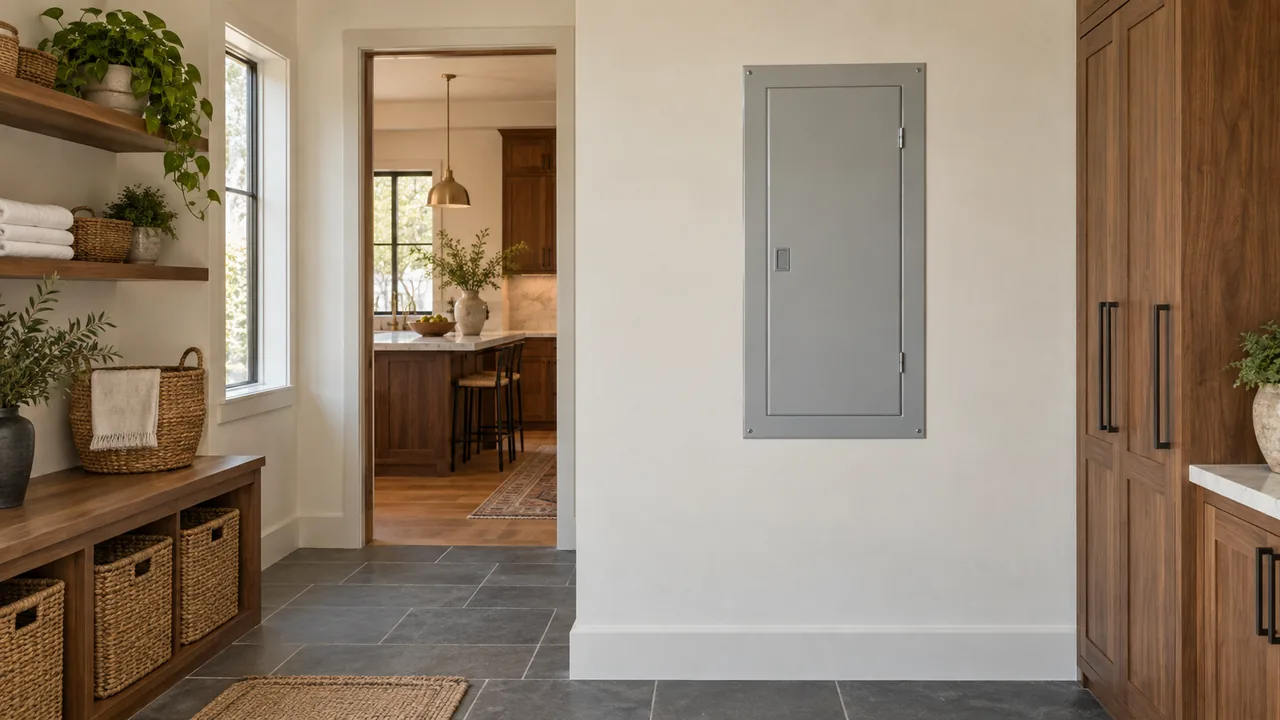
The 2023 NEC changes that matter most to San Antonio homeowners show up when you remodel: wider GFCI protection in kitchens and for major appliances, a room-by-room arc-fault protection list, new kitchen island rules and surge protection with service work. Texas made the 2023 National Electrical Code its statewide standard on September 1, 2023, then adopted the 2026 edition as the state electrical code effective September 1, 2026. San Antonio adopted the 2023 NEC with local amendments through Ordinance 2025-01-30-0075, effective May 1, 2025. Confirm the code edition and amendments for your permit with DSD before you set a scope.
If you are planning a remodel or addition in San Antonio, the most expensive electrical mistakes happen before a wall is opened, when the scope is set without checking what today's code and permit rules require. Check the national electrical code, San Antonio permit and inspection requirements, and the Texas license of the contractor doing the work. Confirm the code edition and any local amendments on your actual permit; adopted editions change over time.
Which Electrical Code Applies in San Antonio?
Two layers apply to your home. At the state level, the Texas Department of Licensing and Regulation (TDLR) adopted the 2026 edition of the National Electrical Code as the state electrical code, effective September 1, 2026. Texas kept one limited exception: listed HVAC equipment stays exempt from the 2026 edition's GFCI requirement for outdoor outlets (NEC 210.8(F), Exception No. 2), with no expiration date. Before that, the 2023 edition had been the state code since September 1, 2023, and the 2023 changes below describe that edition. When TDLR announced the 2023 adoption, it said cities may make local amendments and that, inside city limits, electricians must follow city permitting requirements and local amendments. TDLR's compliance guide adds that permitted work follows the code in force when the permit was obtained, and that local authorities, not TDLR, perform the inspections for local permits.
San Antonio adopted the 2023 National Electrical Code with local amendments through Ordinance 2025-01-30-0075, effective May 1, 2025. The adopted ordinance's Section 10-51 names the 2023 edition; Section 10-52 supplies the local amendments. This city adoption is separate from Texas's September 2026 state-code update. Ask Development Services which edition and local amendments apply to your issued permit before finalizing the scope, especially for work spanning a code transition.
Local amendments can differ from the national text. For example, San Antonio's Chapter 10 amendments delete the NEC's 10-ampere branch-circuit allowance for lighting and exhaust fans, and they delete the requirement to leave provisions for a future island or peninsula receptacle, so your electrician designs to the local version.
Do You Need an Electrical Permit for Your Remodel?
The City of San Antonio's residential permit guidance says a building permit is typically required to build, remodel or repair, that one project can need separate electrical and plumbing permits, and that new electrical, plumbing and HVAC components must be installed by licensed trade contractors. Adding circuits, extending or relocating wiring, installing new equipment such as an EV charger or subpanel, or upgrading the service generally needs an electrical permit. Like-for-like replacement of a fixture, switch or receptacle on existing wiring is generally treated as maintenance; check the city's no-permit-required list for your task.
That list currently includes no electrical items. San Antonio's Chapter 10 exempts only minor electrical repairs or maintenance performed by a licensed electrical contractor, replacing lamps, and plugging approved portable equipment into existing receptacles. Licensed, city-registered trade contractors can obtain the trade permit on your behalf.
A permitted, inspected job creates a record that helps at resale and forces the work to meet current code. Unpermitted electrical work found later can be expensive to unwind. See licensed electrician services.
Panel Capacity: Will Your Service Handle the New Load?
Before you add a kitchen, a bathroom, an addition or high-draw equipment, the first technical question is whether the existing service can carry it. Many older homes have smaller services than today's loads call for, and a remodel that adds circuits, an EV charger, a second air conditioner or a large appliance may need a larger service. The answer comes from a load calculation, which the NEC defines, not a guess.
A service upgrade involves the panel, meter base and grounding, plus coordination with CPS Energy, which controls the meter and utility connection. Older or damaged panels are often replaced as part of the upgrade. Plan it early, because it has its own permit and inspection. See electrical panel upgrades and, for chargers, EV charger installation.
2023 NEC Changes San Antonio Homeowners Should Know
Summaries from the International Association of Electrical Inspectors and the National Association of Home Builders point to several 2023 changes that show up in home remodels. They describe the 2023 edition, the Texas state code from September 2023 until the 2026 edition took effect on September 1, 2026, and the newer edition may revise some of them. Whether each one applies to your job depends on the edition and amendments San Antonio enforces for your permit.
- Kitchen GFCI (210.8(A)). GFCI protection now covers kitchen receptacles broadly, not only those serving the countertop.
- Appliance GFCI (210.8(D)). Branch circuits or outlets serving electric ranges, wall ovens, counter-mounted cooktops, clothes dryers and microwave ovens need GFCI protection.
- Kitchen islands and peninsulas (210.52(C)). A countertop receptacle on an island or peninsula is no longer required, and receptacles that are installed go in, on or above the counter rather than below it. The national 2023 text adds that if none is installed, provision must be made for a future one. San Antonio's Chapter 10 amendments delete that future-receptacle provision, so under the city's version an island or peninsula can be built without a receptacle or a provision for one.
- Garages and outbuildings (210.8(F)). GFCI coverage for outdoor outlets extends to garages with floors at or below grade, accessory buildings and boathouses.
- Arc-fault protection (210.12). The 2023 edition organizes the dwelling AFCI rule as a list of areas, such as kitchens and dining rooms, where 120-volt 10-, 15- and 20-amp branch circuits need AFCI protection, and extending or modifying a branch circuit generally brings AFCI protection with it.
- Surge protection (230.67). A surge-protective device goes with dwelling services, including when service equipment is replaced, and the 2023 edition requires a nominal discharge current rating of at least 10kA.
A kitchen remodel, or a new range or dryer circuit, is where these changes most often show up in an estimate. If you are planning a kitchen remodel in San Antonio, put GFCI protection, island layout and AFCI protection in the electrical scope at the first walkthrough. A panel replacement is a natural time to add whole-home surge protection.
GFCI Protection: Where It's Required Now
Ground-fault circuit-interrupter (GFCI) protection is one area where recent NEC editions have steadily expanded coverage, and a remodel is when those requirements are applied. Current editions generally require GFCI protection for receptacles in bathrooms, kitchens, garages, outdoors, crawl spaces, unfinished basements, laundry areas and near sinks.
The exact list depends on the edition San Antonio has adopted, so do not assume older wiring already meets it. GFCI placement is a common inspection item, and getting it right the first time avoids a failed inspection that stalls tile, cabinets and finish work.
GFCI devices trip when they sense current leaking to ground, which is why wet outdoor connections often trip them. If seasonal displays keep tripping, see holiday lighting electrical safety before you reset the device again.
Arc-Fault Protection, Grounding and Tamper-Resistant Receptacles
Arc-fault circuit-interrupter (AFCI) protection is required by current code on most 120-volt branch circuits serving living areas such as bedrooms, living rooms and hallways. When a remodel adds or extends circuits into those areas, AFCI protection generally comes with them.
If the home's grounding system is undersized or incomplete, bringing it up to current standards is often part of a panel upgrade or significant remodel. Current code also calls for tamper-resistant receptacles in dwellings. These are code items an inspector will check, which is why they belong in the scope and estimate from the start. Worn or loose receptacles found during the walkthrough can be handled with outlet and switch repair in the same visit.
Kitchen, Bathroom and Outdoor Circuits
Kitchens need dedicated small-appliance circuits for the countertop and eating areas, dedicated circuits for major appliances, and receptacle spacing along the counter. Bathrooms need at least one dedicated receptacle circuit with GFCI protection.
Outdoor and addition work brings weather-resistant, in-use covered receptacles outdoors, correct receptacle placement in new rooms and hallways, and proper circuits for new equipment. An addition is wired to current code as new construction. Mapping circuits, loads and device locations before demolition saves change orders.
For room-by-room planning, see the bathroom remodel cost and permit plan and bathroom remodeling in San Antonio.
EV-Ready Garages and Other New Loads
San Antonio's local amendments to its energy conservation code add an EV-ready rule: one- and two-family homes and townhouses three stories or less with a garage must have a dedicated 40-amp, 240-volt single receptacle for EV use, with an exception for properties without a garage. If you are building new, ask your builder where that receptacle is and which panel space serves it.
For an existing home, a charger circuit is new electrical work with its own permit and load check. Check panel capacity, permits and CPS Energy charging credits against the EV charger installation cost in San Antonio before you buy a charger.
Smoke Alarms, CO Alarms and Inspections
A permitted remodel can bring in life-safety requirements beyond the room you are working on, most often smoke alarms in sleeping areas and on each level, frequently interconnected, and carbon-monoxide alarms where the home has fuel-burning appliances or an attached garage.
Inspections come in stages: a rough-in inspection after wiring is run but before insulation and drywall cover it, and a final inspection once devices and fixtures are installed. Closing walls before the rough-in passes can force tear-out, so treat it as a gate in the schedule. If your alarms need replacing or interconnecting, see smoke detector installation.
Who May Do the Work, and a Pre-Remodel Checklist
In Texas, electricians and electrical contractors are licensed by the Texas Department of Licensing and Regulation, and San Antonio's residential permit guidance says homeowners must use licensed trade contractors for new electrical components. Before your remodel:
- Confirm which parts of your scope need an electrical permit.
- Verify the NEC edition and any local amendments on the permit.
- Get a load calculation to confirm the panel can carry the new load.
- Plan GFCI and AFCI protection for the affected rooms and circuits.
- Confirm grounding, bonding and tamper-resistant receptacles are in scope.
- Budget for smoke and CO alarm upgrades.
- Schedule the rough-in inspection before any walls close.
- Ask which NEC edition your permit falls under and how changes such as kitchen and appliance GFCI or island receptacle rules apply to your rooms under San Antonio's amendments.
You can check any contractor's license with TDLR's online license search before you sign.
Frequently asked questions
Is the 2026 electrical code different from what my house was built to?
Very likely, if your home is more than a few years old. Texas adopted the 2026 National Electrical Code as its state electrical code effective September 1, 2026, San Antonio adopted the 2023 NEC with local amendments effective May 1, 2025, and recent editions expanded GFCI and arc-fault protection. A remodel applies current code to the work being done. Confirm the adopted edition and any local amendments on your permit.
Do I need a permit for a like-for-like fixture or outlet swap?
Replacing a fixture, switch or receptacle on existing wiring is generally treated as minor repair or maintenance, but San Antonio's Chapter 10 exempts that work from a permit only when a licensed electrical contractor performs it. Adding circuits, extending wiring, installing new equipment such as an EV charger or upgrading the service needs an electrical permit. The city's no-permit-required list includes no electrical items.
Can I do my own electrical work on my San Antonio home?
The City of San Antonio's residential permit guidance says homeowners must use licensed trade contractors for new electrical, plumbing and HVAC components. In Texas, electricians and electrical contractors are licensed by the Texas Department of Licensing and Regulation.
Will a remodel force me to bring my whole house up to current code?
Usually not the entire house: current code applies to the work you are doing and the circuits it affects. A permitted remodel can also bring in life-safety items such as smoke and carbon-monoxide alarms, and grounding corrections if the existing system is inadequate.
How do I confirm which NEC edition San Antonio currently enforces?
San Antonio's adopted Ordinance 2025-01-30-0075 names the 2023 NEC in Section 10-51, with local amendments in Section 10-52, effective May 1, 2025. Texas separately moved its state code to the 2026 edition on September 1, 2026. Ask Development Services which edition and amendments apply to your issued permit; your licensed electrical contractor must follow the applicable requirements.
What are the biggest 2023 NEC changes for homeowners?
For most remodels: GFCI protection for kitchen receptacles generally and for circuits serving ranges, wall ovens, cooktops, dryers and microwaves; island and peninsula receptacles becoming optional, with the national text requiring provision for a future one (San Antonio's amendments delete that provision); a room-by-room arc-fault protection list that applies when circuits are extended or modified; and surge protection rated at least 10kA with service work. Texas adopted the 2026 edition effective September 1, 2026, so confirm which apply under San Antonio's adopted edition and amendments.
Does San Antonio require an EV-ready outlet in new homes?
San Antonio's local energy code amendments require one- and two-family homes and townhouses three stories or less with a garage to have a dedicated 40-amp, 240-volt single receptacle for EV use. Properties without a garage are excepted. For an existing home, adding a charger circuit is new electrical work that needs a permit and a licensed electrician.
Sources
- City of San Antonio Development Services, Residential permits. Retrieved October 13, 2026.
- City of San Antonio Development Services, Codes & Ordinances. Retrieved October 13, 2026.
- City of San Antonio Development Services, Adopted Ordinance 2025-01-30-0075: 2023 NEC and local amendments (effective May 1, 2025). Retrieved October 13, 2026.
- City of San Antonio Development Services, No Permit Required list. Retrieved October 13, 2026.
- Texas Department of Licensing and Regulation, Electricians compliance guide. Retrieved October 13, 2026.
- Texas Department of Licensing and Regulation, Commission Adopts Rules: 2026 National Electrical Code (September 1, 2026). Retrieved October 13, 2026.
- Texas Register (Texas Secretary of State), Adopted rule, 16 TAC §73.100, Electricians (August 28, 2026). Retrieved October 13, 2026.
- Texas Department of Licensing and Regulation, 2023 National Electrical Code is almost here. Retrieved October 13, 2026.
- Texas Department of Licensing and Regulation, License search (electricians, A/C and refrigeration contractors). Retrieved October 13, 2026.
- International Association of Electrical Inspectors (IAEI Magazine), Powering Forward: Major Changes in the 2023 NEC. Retrieved October 13, 2026.
- National Association of Home Builders, 2023 National Electrical Code Adoption Kit. Retrieved October 13, 2026.
Planning a remodel with electrical work?
C.S.W. Power Solutions can review the panel, circuits and code items before walls are opened, so they are priced up front. Electrical work is performed under Texas Electrical Contractor license TECL #31793.
Related service: Electrical Services
Online estimate appointments need at least 24 hours' notice. Need help sooner? Call 24/7: (210) 880-2864.
Or call 210-880-2864