Hiring an Electrician for a Generator Hookup in San Antonio
Need an electrician for a generator hook up in San Antonio? Why backfeeding is dangerous, what transfer equipment does, and the CPS Energy and permit steps.
Quick answer
Hire a licensed electrical contractor for any generator hookup that connects to your home's wiring. The generator must feed the house through transfer equipment that disconnects utility power first, so it can never send power back onto CPS Energy lines. Plugging a generator into a wall outlet, called backfeeding, puts utility workers and neighbors served by the same transformer at risk of electrocution. A permanent generator in San Antonio can also involve a City permit, an inspection and CPS Energy's back-up generator review, which the electrical contractor submits.
Article Topics
- What a generator hookup can mean
- Why backfeeding is the one mistake to never make
- What transfer equipment does
- CPS Energy's role in a permanent generator
- Permits and inspection in San Antonio
- Sizing the connection to your loads and panel
- Fuel: natural gas and propane connections
- Portable generator safety while you plan
- Questions to ask an electrician before a generator hookup
- One contractor for the electrical and gas sides
- Frequently asked questions
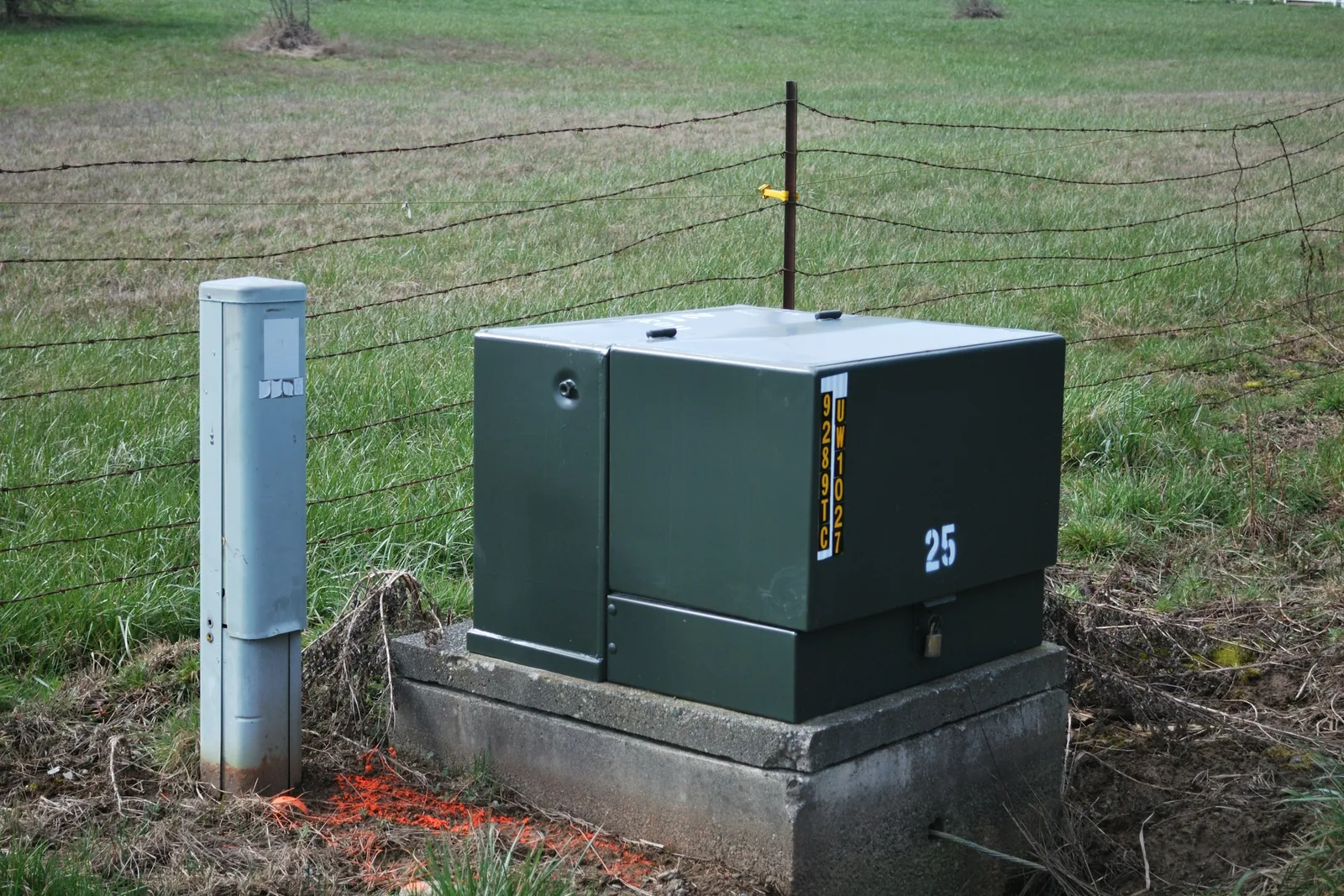
A generator only helps during a San Antonio outage if it is connected safely. The engine and the fuel get most of the attention, but the connection between the generator and your house wiring is where the most serious mistakes happen, and it is the part that needs a licensed electrician.
This guide explains what a generator hookup can mean, why backfeeding is the one mistake to never make, what transfer equipment does, and the CPS Energy, permit and fuel steps that come with a permanent installation.
What a generator hookup can mean
People use the phrase for three different setups:
- Cord-connected appliances. A portable generator sits outside and individual appliances plug into it with outdoor-rated cords. Nothing connects to the house wiring.
- A portable generator feeding house circuits. The generator connects to selected circuits through transfer equipment installed by an electrician.
- A permanent standby generator. A generator on a pad, usually fueled by natural gas or propane, connects through an automatic transfer switch and starts on its own when utility power is lost.
Only the first setup avoids the house wiring entirely. The second and third are electrical installations and need a licensed electrical contractor. If you plan to connect a portable generator, say so when you request an estimate so the right equipment and scope can be discussed.
Why backfeeding is the one mistake to never make
Backfeeding means pushing generator power into the house wiring through a wall outlet or any other connection that is not isolated from the utility. The U.S. Consumer Product Safety Commission's portable generator safety alert says this practice is extremely dangerous and presents an electrocution risk to utility workers and neighbors served by the same utility transformer. It also bypasses some of the built-in household circuit protection devices.
The reason is simple. During an outage, line crews expect the wires they are repairing to be dead. A generator connected without isolation can energize them from your side. That is why CPS Energy's generator safety guidance says generators should not be connected directly to household wiring except by a qualified electrician.
What transfer equipment does
Transfer equipment is what makes a safe hookup possible. CPS Energy's Electric Service Standards define a transfer switch as an electrical device for switching loads between alternate power sources, and an automatic transfer switch as one that monitors the sources and connects the load to the alternate source if the preferred source fails.
CPS Energy's distributed generation manual sets the rule for backup generators: they shall not operate in parallel with the CPS Energy system without written approval, and the transfer scheme must operate as break-before-make, disconnecting one source before connecting the other, and be interlocked to prevent paralleling during normal, test and maintenance conditions. In plain terms, the house can be on utility power or on generator power, never both at once.
For a portable generator, the electrician typically connects a manual transfer switch or another listed transfer device to an exterior power inlet, so the generator plugs into the inlet instead of into a household outlet. Which device fits depends on your panel and on what CPS Energy requires. Standby systems usually use an automatic transfer switch. Our guide to a 14kW Generac and its ATS shows how the switch and the generator size fit together.
CPS Energy's role in a permanent generator
CPS Energy publishes a back-up generator registration process. In it, a licensed and bonded electrical contractor completes the application and submits:
- An electrical three-line diagram with conductor sizes and grounding details
- The manufacturer's transfer switch specifications, showing break-before-make operation and that the automatic transfer switch is service-rated where required
- A site drawing showing the service location and the proposed generator location
- An elevation drawing showing how the generator equipment connects in relation to the existing service and meter
- A photo showing that the proposed location will have proper working clearances
After approval, CPS Energy coordinates any utility work and meets the contractor on site for a final commissioning test. Ask your electrician to confirm how this process applies to your installation and who will submit it.
Permits and inspection in San Antonio
The Texas Department of Licensing and Regulation says non-exempt electrical work in Texas must be performed by a licensed person working through a licensed electrical contractor. Inside city limits, the City of San Antonio's residential permits page notes that one project can require several permits, such as building, electrical, mechanical and plumbing. A standby generator with a gas line touches at least two of those trades.
Ask who will pull each permit and when the inspection will happen. Homes outside city limits follow their own city or county process. If you want to see how a full installation unfolds, our Generac installation process and permits guide walks through it.
Sizing the connection to your loads and panel
The hookup has to match what the generator will carry. A load calculation decides which circuits the generator should run and whether it backs up selected circuits or the whole house. That choice drives the transfer switch, the wiring and sometimes the panel.
If the panel is full or the service is small, the generator project may raise the capacity question. Our guide to 100 vs. 200 amp service explains how electricians make that call. For the cost and sizing side of a standby unit, see generator installation cost in San Antonio.
Fuel: natural gas and propane connections
A standby generator also needs a fuel supply sized for it. Gas piping is plumbing work, separate from the electrical hookup. C.S.W. Power Solutions performs gas line services under Responsible Master Plumber license RMP #46592 and the electrical side under TECL #31793, so the gas and electrical connections are planned together.
If you ever smell gas near a generator or anywhere else, follow CPS Energy's natural gas safety guidance: get out right away, and do not start the generator, switch lights on or off, use a phone or flashlight in the area or strike a flame. Call 911 and CPS Energy once you are safely away.
Portable generator safety while you plan
Until a proper hookup is in place, keep a portable generator on cords and outdoors. The CPSC's carbon monoxide guidance says never to use portable generators inside homes or garages, even with doors and windows open, and to run them outside at least 20 feet from homes with the exhaust facing away. CPS Energy's guidance says at least 25 feet from a home or building, so use the larger distance. The CPSC also reports that more than 100 deaths a year from consumer-product carbon monoxide poisoning are linked to portable generators, and it recommends CO alarms on every level of the home and outside sleeping areas.
CPS Energy adds a few connection rules for portable units: use only three-prong extension cords with appropriate watt or amp ratings, never overload the generator, connect using a GFCI, and turn off appliances powered by the generator before shutting it down. Ready.gov also recommends keeping the generator dry and letting it cool before refueling.
Questions to ask an electrician before a generator hookup
- Is your company a licensed electrical contractor, and what is the license number?
- What transfer equipment will you use, and how does it prevent backfeeding?
- Which circuits will the generator power, and how was that decided?
- Does my panel or service need changes for this installation?
- Who submits the CPS Energy back-up generator application, if it applies?
- Which permits are needed, who pulls them and when is the inspection?
- For a standby unit, who installs the gas line, and under what license?
- What is included in the written estimate, and what would change it?
You can check an electrical contractor's license on the TDLR license search. Our license is TECL #31793.
One contractor for the electrical and gas sides
A standby generator touches the electrical service, the gas supply, the permit office and CPS Energy. Splitting that across several companies leaves gaps. C.S.W. Power Solutions is a veteran-owned general contractor with in-house licensed electrical (TECL #31793) and plumbing (RMP #46592). We plan standby generator systems around your home, handle the transfer switch, panel integration and gas connection, and coordinate permitting, CPS Energy and the city inspection, with a free written, itemized estimate.
See our generator installation page to start. If you already have a generator that will not start or transfer, our standby generator repair page and our guide to a generator not starting after an outage are the better first steps.
Frequently asked questions
Can I plug a generator into a wall outlet to power my house?
No. The U.S. Consumer Product Safety Commission calls this backfeeding and says it is extremely dangerous: it presents an electrocution risk to utility workers and neighbors served by the same utility transformer, and it bypasses some of the built-in household circuit protection devices. Plug appliances into the generator with suitable outdoor cords instead, or have transfer equipment installed.
Does a generator hookup need a licensed electrician in Texas?
A hookup to house wiring is electrical work. The Texas Department of Licensing and Regulation says anyone who performs or offers to perform non-exempt electrical work in Texas must be licensed and perform that work through a licensed electrical contractor. CPS Energy's generator safety guidance says generators should not be connected directly to household wiring except by a qualified electrician.
What does a transfer switch do?
CPS Energy defines a transfer switch as an electrical device for switching loads between alternate power sources, and an automatic transfer switch as one that monitors the sources and connects the load to the alternate source if the preferred source fails. For backup generators, CPS Energy requires a break-before-make transfer scheme interlocked to prevent the generator from running in parallel with the utility.
Does CPS Energy need to know about my generator?
CPS Energy publishes a back-up generator application process in which a licensed and bonded electrical contractor submits the application with a three-line diagram, transfer switch specifications, site and elevation drawings and a photo of the service location, followed by a final commissioning test. Ask your electrical contractor how it applies to your installation.
How far from the house should a portable generator run?
Outdoors only. CPSC says to use generators at least 20 feet away from homes with the exhaust facing away, and never inside homes or garages, even with doors and windows open. CPS Energy's guidance says at least 25 feet from a home or building. Use the larger distance and install carbon monoxide alarms.
Who connects the natural gas line for a standby generator?
Gas piping is plumbing work. C.S.W. Power Solutions handles the generator's electrical connection under TECL #31793 and the gas-line plumbing under RMP #46592, so one contractor covers both sides of a standby installation.
Do I need a permit to install a generator in San Antonio?
A permanent installation usually involves permits, and the exact list depends on the scope and your jurisdiction. The City of San Antonio notes that one project may need several permits, such as electrical and plumbing. CSW's generator installations include permitting, CPS Energy coordination and the city inspection.
Sources
- U.S. Consumer Product Safety Commission, Safety Alert: Portable Generator Hazards (PDF). Retrieved October 17, 2026.
- U.S. Consumer Product Safety Commission, Carbon Monoxide Information Center. Retrieved October 17, 2026.
- CPS Energy, Generator Safety. Retrieved October 17, 2026.
- CPS Energy, Natural Gas Safety. Retrieved October 17, 2026.
- CPS Energy, Generator Registration Process (PDF). Retrieved October 17, 2026.
- CPS Energy, Distributed Generation Manual: interconnection requirements (PDF). Retrieved October 17, 2026.
- CPS Energy, Electric Service Standards Manual (PDF). Retrieved October 17, 2026.
- Texas Department of Licensing and Regulation, Electricians. Retrieved October 17, 2026.
- City of San Antonio Development Services, Residential Permits. Retrieved October 17, 2026.
- Ready.gov, Power Outages. Retrieved October 17, 2026.
Plan a safe generator connection
Call 210-880-2864 or use our contact page to request a free written generator estimate in San Antonio. Tell us whether you have a portable or standby generator in mind and which circuits you want to keep running.
Related service: Generator installation in San Antonio
Online estimate appointments need at least 24 hours' notice. Need help sooner? Call 24/7: (210) 880-2864.
Or call 210-880-2864