How to Prevent Frozen Pipes in San Antonio Before a Hard Freeze
How to prevent frozen pipes in San Antonio: insulate exposed lines, cover hose bibs, keep the heat steady and find your main shutoff before a freeze.
Quick answer
To prevent frozen pipes in San Antonio, insulate pipes in attics, garages and exterior walls, seal gaps where cold air reaches them, disconnect hoses and cover outdoor faucets, and open sink cabinet doors during an extended freeze. Keep the thermostat at the same setting day and night, and learn where your main shutoff is before you need it. SAWS lists a slow drip as one step during long freezes, but no step guarantees a pipe won't freeze.
Article Topics
- Why Pipes Burst and Which Ones Freeze First
- How to Prevent Frozen Pipes: Insulate Exposed Pipes
- Seal Cold-Air Gaps and Protect Outdoor Faucets
- Keep the Heat Steady and the Garage Closed
- During an Extended Freeze
- If the Power Goes Out During a Freeze
- Know Your Main Water Shutoff
- If a Pipe Freezes or Bursts
- If Your Water Stops: Frozen Pipe or SAWS Outage?
- After the Thaw: Check for Hidden Leaks
- Frequently asked questions
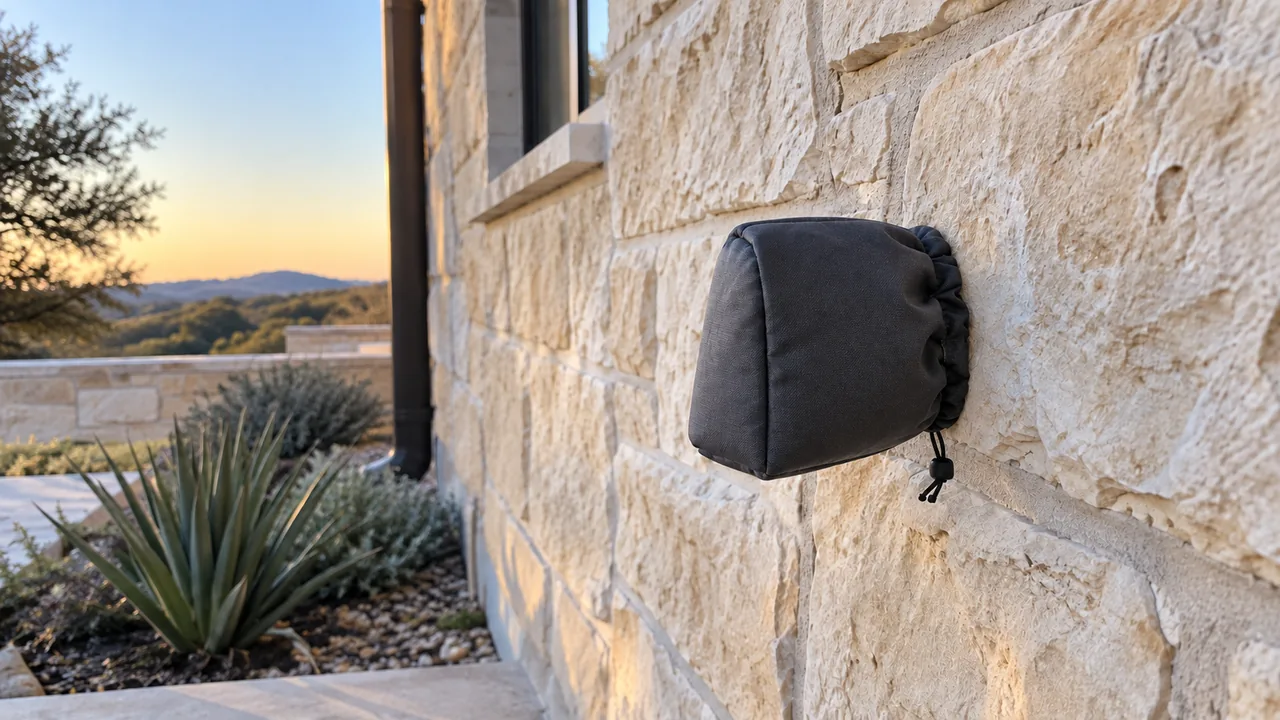
Here is how to prevent frozen pipes in San Antonio, starting before the forecast drops below freezing. Hard freezes are not common in San Antonio, which is exactly why pipes in garages, attics and exterior walls are often left unprotected. A few steps before a freeze lower the risk. None of them guarantees a pipe will not freeze.
Most of the work is simple, and the most important step costs nothing: finding your main water shutoff before you need it.
Why Pipes Burst and Which Ones Freeze First
Water expands as it freezes. The American Red Cross notes that this expansion puts enough pressure on a pipe to break it, whether the pipe is metal or plastic. State Farm points out that a pipe does not always burst when it freezes, but a split can stay hidden while the line is frozen and start leaking once the ice thaws.
SAWS says its underground system pipes won't freeze. The risk is in your home's plumbing, especially pipes in exterior walls and above-ground sprinkler heads. The Red Cross lists the pipes that freeze most often:
- Outdoor hose bibs, swimming pool supply lines and sprinkler lines.
- Supply pipes in unheated spaces such as attics, crawl spaces, garages and kitchen cabinets.
- Pipes that run along exterior walls with little or no insulation.
Consumer Reports says frozen pipes generally occur below 20°F, but pipes running through uninsulated spaces can freeze at higher temperatures. Walk through your attic, garage and the cabinets on exterior walls before the first freeze; knowing where your exposed pipes are is the first step in how to prevent frozen pipes in your own home.
How to Prevent Frozen Pipes: Insulate Exposed Pipes
SAWS recommends covering exposed pipes with foam or fiberglass insulation sleeves, the thicker the better. Focus on pipes in attics, crawl spaces, garages and exterior walls, and on the lines feeding outdoor faucets and irrigation. Heat cable can help on very exposed runs; use a listed product and follow its instructions.
The Red Cross recommends insulating both hot and cold water lines in unheated areas, including the garage and the cabinets under kitchen and bathroom sinks, and SAWS adds water heater closets to the list. If you run out of sleeves before a cold snap, the Red Cross notes that even a quarter inch of newspaper can give significant protection in areas that do not usually see frequent or prolonged freezing.
For the long term, the Red Cross suggests adding insulation to attics and crawl spaces and considering moving exposed pipes to a warmer route. If one line keeps freezing in the same exterior wall, a plumber can look at repiping that section away from the cold.
Seal Cold-Air Gaps and Protect Outdoor Faucets
SAWS also recommends sealing openings where cold air can reach unprotected pipes, such as around outside faucets. Disconnect and drain garden hoses, cover outdoor faucets, and turn off spray irrigation before a freeze so runoff does not turn into ice.
SAWS's winter checklist adds a few more outdoor steps: cover hose bibs and make sure hoses are disconnected, turn off irrigation at the shut-off valve, cover in-ground valve boxes, and insulate backflow devices if they are above ground. If your outdoor faucets have a separate shutoff inside the house, the Red Cross recommends closing that valve and opening the outside faucet so the remaining water can drain and has room to expand.
For pool equipment, follow the manufacturer's or installer's freeze directions. The Red Cross warns against putting antifreeze in pool or sprinkler supply lines unless those directions call for it.
Keep the Heat Steady and the Garage Closed
Warm room air around the pipes does much of the work. The Red Cross recommends keeping the thermostat at the same temperature day and night during a cold spell instead of letting it drop overnight. Your heating bill may run higher, but a burst pipe is a far more costly repair. Keep garage doors closed if water lines run through the garage.
If you travel during cold weather, the Red Cross says to leave the heat on at no lower than 55°F, and State Farm suggests asking a friend or neighbor to check that the house stays warm. If you plan to shut off and drain the water before a trip, State Farm notes that this may also disable a home fire sprinkler system, so check that first.
Test your heat before the first cold front arrives. If the furnace or heat pump struggles, check these no-heat warning signs before a San Antonio cold front and get the problem looked at early, because a house that loses heat puts every exposed pipe at risk.
During an Extended Freeze
If the house is cold or the freeze lasts, SAWS suggests leaving sink cabinet doors open so warmer room air can reach the pipes. It also lists letting faucets drip slowly to keep water moving and notes that the extra water use is billed. A drip can help, but pipes can still freeze.
In January 2026, SAWS advised that if a drip is necessary, use a slow drip from the bathroom faucet farthest from the kitchen. Before you open the cabinets, move cleaners and household chemicals out of children's reach.
If the Power Goes Out During a Freeze
A winter outage cuts heat to your pipes at the same time it cuts heat to you. SAWS points customers to CPS Energy for outage tips, alert sign-up and a real-time outage map. Keep pipes covered and cabinet doors open while the power is off.
If you use a portable generator, Ready.gov says generators and fuel should always be used outdoors and at least 20 feet from windows, doors and attached garages, and that every level of the home needs a working carbon monoxide detector. Never heat the house with a gas stovetop or oven. A permanently installed standby generator with a transfer switch can keep selected circuits powered when it is sized for them. If yours did not start or carry the load in the last outage, here is what to record when a standby generator fails after a Texas outage.
Know Your Main Water Shutoff
If a pipe bursts, shutting off the water quickly is the most important thing you can do. Find your main shutoff before an emergency: it is often near where the water line enters the house or at the meter box. Turn it off and on once a year to make sure it is not seized. If it does not turn easily or leaks, have it replaced before winter.
SAWS recommends knowing how to turn off your home's water supply in an emergency and before you leave on vacation. Make sure everyone in the house knows where the valve is. Replacing a stuck shutoff is routine plumbing work that is far easier on a dry day than during a burst.
If a Pipe Freezes or Bursts
If only a trickle comes out of a faucet during freezing weather, a pipe may be frozen. Never use a torch or open flame to thaw it. Open the faucet and warm the pipe gently with a hair dryer, a heating pad or towels soaked in warm water.
The Red Cross notes that frozen sections are most likely against exterior walls or where the water service enters the house through the foundation. Keep the faucet open as you warm the pipe so melting water can flow out, keep applying gentle heat until full pressure returns, and then check every other faucet, because if one pipe froze, others may have too. A portable space heater can help if you keep it away from anything flammable.
If you cannot find the frozen section, or the pipe has burst, shut off the main water supply and keep clear of water near outlets or the electrical panel. Then call for urgent plumbing repair and take photos of the damage for any insurance claim. If water reached wiring or drywall, follow the safe repair order for leaks near wiring and drywall: make the area safe, fix the source, dry it out, then restore.
If Your Water Stops: Frozen Pipe or SAWS Outage?
When the taps go dry during a freeze, the problem may be a frozen pipe in your home or an outage in the street. SAWS suggests a few checks: try several faucets to see whether the problem is isolated, ask neighbors whether they have water, confirm the home stayed heated, think about whether you were away during the freeze, and check that exposed pipes were covered.
If neighbors are also without water, check the SAWS outage map or call 210-704-SAWS (7297), which SAWS lists for water and sewer emergencies 24 hours a day. If only your home is affected, treat it as a frozen pipe and follow the thawing steps above.
After the Thaw: Check for Hidden Leaks
If you shut off the main, State Farm recommends turning the water back on slowly, watching for leaks and shutting it off again right away if you find one. Then check ceilings below attic lines, the walls behind sinks, the garage and the water heater closet. SAWS also shows how to use your water meter to look for leaks you cannot see.
Stains, soft drywall, a musty smell or a meter that suggests a leak call for professional leak detection before the damage spreads. Water that soaked insulation or drywall may also need water damage restoration once the plumbing is repaired.
Frequently asked questions
Which pipes are most likely to freeze in San Antonio?
Pipes in exterior walls, garages, attics, crawl spaces, outdoor faucets and other unheated areas are the most exposed during a hard freeze. SAWS says its underground system pipes won't freeze, so the risk is in your home's plumbing, including above-ground sprinkler heads.
Should I drip my faucets during a freeze?
SAWS lists letting faucets drip slowly as one step during extended freezing temperatures and notes that the extra water is billed. A drip can help keep water moving, but pipes can still freeze, so insulation, sealing cold-air gaps and knowing your shutoff matter more.
What should I do if a pipe freezes or bursts?
If a pipe bursts, shut off the main water supply right away and keep clear of water near outlets or the electrical panel. For a frozen pipe, never use an open flame; open the faucet and warm the pipe gently with a hair dryer or warm towels, or call a licensed plumber.
At what temperature do pipes freeze?
Consumer Reports says frozen pipes generally occur below 20°F, but pipes that run through uninsulated spaces such as attics, garages and exterior walls can freeze at higher temperatures. In San Antonio, protect exposed pipes whenever a hard freeze is in the forecast instead of waiting for a specific number.
What temperature should I keep my house to prevent frozen pipes?
The American Red Cross recommends keeping the thermostat at the same temperature day and night during cold weather instead of lowering it overnight. If you will be away, leave the heat on at no lower than 55°F, and keep garage doors closed if water lines run through the garage.
Will SAWS credit my bill for dripping faucets?
No. SAWS says bills will not be adjusted for water used to prevent freezing. In January 2026, SAWS advised that if a drip is necessary, run a slow drip from the bathroom faucet farthest from the kitchen. Insulating pipes and sealing cold-air gaps cost nothing on your water bill.
My water stopped during a freeze. Who do I call?
Check several faucets and ask neighbors first. If neighbors are out too, check the SAWS outage map or call 210-704-SAWS (7297), which SAWS lists for water and sewer emergencies 24 hours a day. If only your home is affected, the problem may be a frozen pipe; call a licensed plumber if you cannot find and thaw it safely.
Sources
- San Antonio Water System, Don't Let Freezing Temperatures Burst Your Pipes!. Retrieved October 13, 2026.
- Ready.gov, Winter Weather. Retrieved October 13, 2026.
- San Antonio Water System, SAWS Provides Winter Preparation Tips for Upcoming Freeze. Retrieved October 13, 2026.
- San Antonio Water System, Winter is here — Be ready for the unexpected. Retrieved October 13, 2026.
- San Antonio Water System, Be Ready for the Unexpected. Retrieved October 13, 2026.
- American Red Cross, Preventing & Thawing Frozen Pipes. Retrieved October 13, 2026.
- Consumer Reports, How to Prevent Your Pipes From Freezing and Bursting. Retrieved October 13, 2026.
- State Farm, Ideas on How To Help Prevent Pipes From Freezing. Retrieved October 13, 2026.
Burst pipe or frozen line?
Shut off the main water supply first, then call 210-880-2864. C.S.W. Power Solutions performs plumbing repairs, including burst pipe and valve repairs, under Responsible Master Plumber license RMP #46592.
Related service: Plumbing Services
Online estimate appointments need at least 24 hours' notice. Need help sooner? Call 24/7: (210) 880-2864.
Or call 210-880-2864