Drywall Repair After Plumbing or Electrical Work: A San Antonio Guide
Drywall repair after plumbing or electrical work in San Antonio: when to close the wall, what stays reachable, drying, lead-safe cuts, texture and paint.
Quick answer
Drywall repair after plumbing or electrical work should wait until the trade work is finished and tested, any required inspection has happened and the wall cavity is dry. A durable patch then cuts back to sound material, adds backing, fastens new board, tapes and floats the seams, matches the existing texture, primes and is painted to a natural break. Anything that must stay reachable, such as an electrical junction box, gets a cover plate or access panel instead of being buried behind the patch.
Article Topics
- Why trade work leaves openings in finished walls
- Three things that must be true before the wall is closed
- After a leak, moisture comes first
- What has to stay reachable
- How a durable drywall patch is built
- Matching San Antonio wall textures
- Ceilings, garages and wet rooms need the right board
- Homes built before 1978: ask about lead-safe work
- Sequence the job as one schedule
- What to ask for in the drywall estimate
- Frequently asked questions
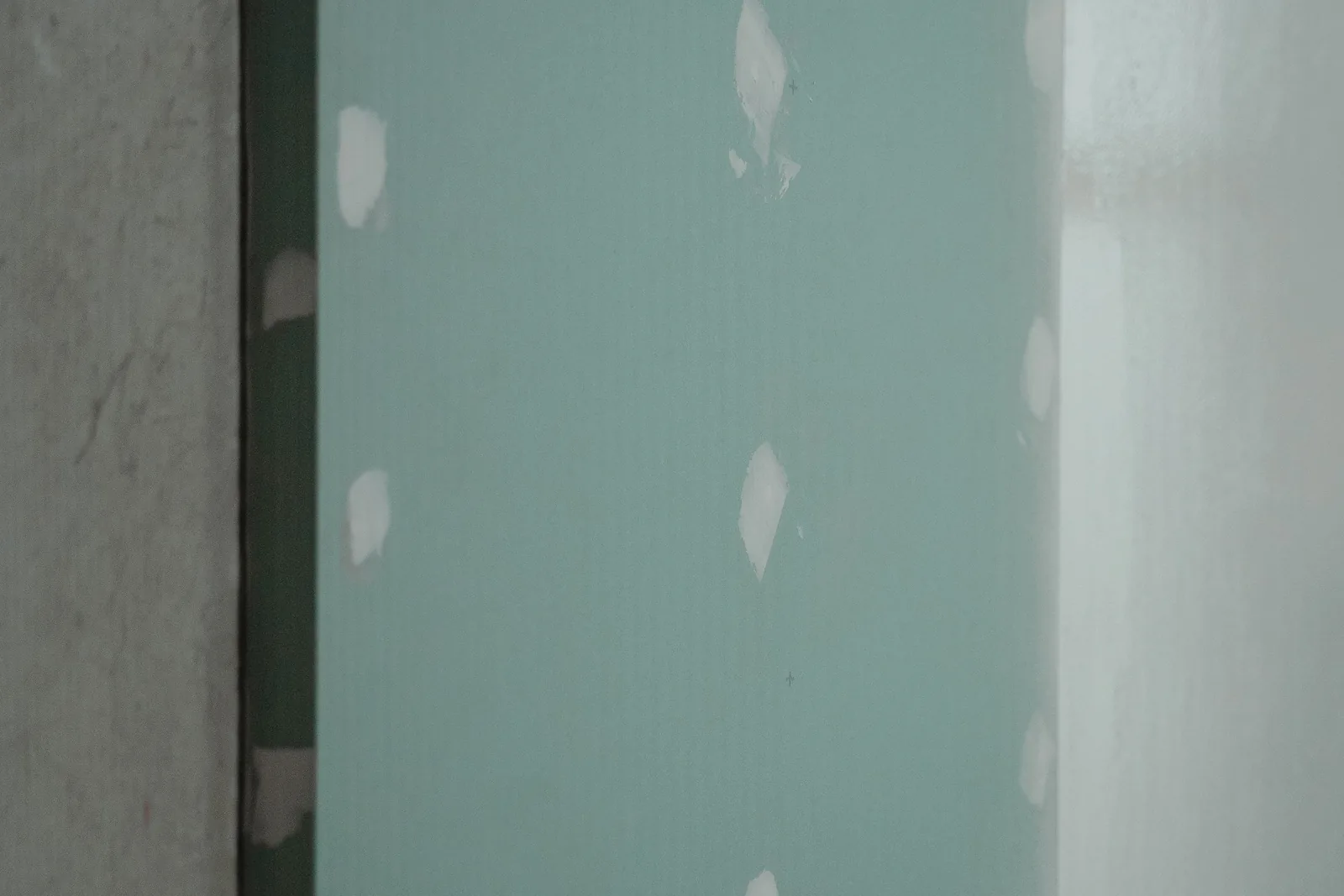
The plumber fixed the leak, or the electrician ran the new circuit, and now there is a hole in your wall or ceiling. Drywall repair after trade work is the step that makes the room look whole again. Done well, the patch blends into the wall around it. Done too early or too quickly, it can trap moisture, cover a box or valve that needs to stay reachable, or leave a visible outline on the wall for years.
This guide covers when a San Antonio wall is ready to close, what has to stay accessible, how a lasting patch is built and what to ask for in the estimate.
Why trade work leaves openings in finished walls
Pipes, wires and drains run inside walls and ceilings, so most repairs start by opening them. A plumber chasing a leak may open a ceiling below a bathroom. A repipe can mean several openings along a wall. Rewiring, a new circuit for an EV charger or a fixture move can do the same.
Tradespeople cut openings large enough to see the problem, work safely and test the repair. That is good practice. The finish work is a separate step, and it should be planned before the first cut, not after the trade crew leaves.
Three things that must be true before the wall is closed
- The trade work is finished and tested. A plumbing repair should be checked for leaks under normal use, and electrical work should be complete and working. Closing the wall first means opening it again if anything is wrong.
- Any required inspection has happened. The City of San Antonio's residential projects page says the City performs inspections at each stage of the building process. If the work was permitted, confirm whether an inspection has to happen while it is still visible.
- The cavity is dry. Wet framing, insulation or board behind the opening has to dry before it is covered.
If one of these is not settled, the drywall can wait. A few extra days with an open wall is cheaper than a second repair.
After a leak, moisture comes first
When the opening was made because of a leak, drying is the most important step. The EPA's guide to mold and moisture says water-damaged areas should be dried within 24 to 48 hours to prevent mold growth, and that in most cases mold will not grow if wet materials are dried in that window. The same guide notes that hidden mold can grow on the back side of drywall and inside walls around leaking or condensing pipes.
Ask the contractor to check the framing and insulation, not just the face of the wall. The EPA also advises against painting or caulking over moldy surfaces; the mold should be cleaned up and the surface dried first. If the source of the water is still unknown, water leak detection should come before any patch. For a leak that reached a light fixture or wiring, follow the order in our guide to water leaking from a ceiling light fixture.
What has to stay reachable
Some parts can't be sealed behind a patch. Electrical junction boxes must stay accessible, so a box that ended up in the opening gets a blank cover plate instead of being buried. Plumbing parts that may need service later, such as a shutoff valve or a tub drain, are good candidates for a removable access panel.
Ask the trade contractor what is inside the opening before the drywall crew arrives. A thirty-second conversation prevents a patch that has to be cut open again the next time something needs service.
How a durable drywall patch is built
A patch lasts when it is supported and fastened like the original wall. CSW's drywall repair process follows these steps:
- Cut back to sound material, so the patch meets solid, dry board.
- Add blocking or backing behind the opening where there is no framing to fasten to.
- Fasten new drywall of matching thickness.
- Tape and float the seams, then sand them flat.
- Match the existing texture.
- Prime, then paint to the nearest natural break when painting is included.
Skipping the backing is a shortcut to watch for. A patch held only by joint compound or a thin repair clip is more likely to crack along its edges as the house moves.
Matching San Antonio wall textures
Texture does most of the work of hiding a patch. Walls and ceilings across San Antonio carry a range of finishes, and CSW matches knockdown, orange peel, skip trowel, Santa Fe, popcorn and smooth finishes as part of the repair. An older, unpainted popcorn ceiling can also differ in color from new texture, so ask whether the ceiling needs paint for the patch to blend.
Older textures and building materials deserve one more question before anyone cuts or sands them. The EPA notes that you generally cannot tell whether a material contains asbestos by looking at it, and it suggests an inspection by a trained, accredited asbestos professional when you plan a remodel or have damaged materials. If your home is older, raise this before the opening gets bigger.
Paint matters as much as texture. Fresh joint compound absorbs paint differently from the old wall, which can show as a dull or shiny spot called flashing, so the patch is primed first. Even with the right color, touching up only the patch often shows. Painting to the nearest natural break, such as a corner, keeps the repair from reading as a square. Ask whether interior painting is in the estimate or left to you.
Ceilings, garages and wet rooms need the right board
Not every opening is a simple wall patch. Ceiling repairs need solid backing because the board hangs overhead. Garage walls and ceilings next to living space can have fire-separation requirements, so the replacement should match the original board type and thickness. In bathrooms and laundry rooms, ask whether moisture-resistant board belongs in the repair.
Tell the contractor where the opening is and what the room is used for, and ask what board will go back in.
Homes built before 1978: ask about lead-safe work
Many San Antonio neighborhoods have homes built before 1978. The EPA's Renovation, Repair and Painting Rule requires firms paid to disturb painted surfaces in pre-1978 homes to be certified and to follow lead-safe work practices. The federal rule has a narrow exception for minor repair and maintenance, including electrical and plumbing work, that disturbs 6 square feet or less of painted surface per room inside or 20 square feet or less outside, and only when prohibited work practices are not used. Several small openings in the same room can add up past that limit. The EPA estimates that about three-quarters of U.S. homes built before 1978 still contain some lead-based paint.
Cutting and sanding painted drywall disturbs paint and makes dust, even on a small opening. If your home was built before 1978, tell the contractor up front and ask how the rule applies before any cutting starts, including the trade work that makes the opening.
Sequence the job as one schedule
The smoothest repairs follow one order: find the cause, make the trade repair, test it, pass any inspection, dry the area, then patch, texture, prime and paint. Trouble starts when three contractors each schedule their part separately and nobody owns the gaps between them.
That is the problem a general contractor solves. C.S.W. Power Solutions is a veteran-owned general contractor with in-house licensed electrical (TECL #31793) and plumbing (RMP #46592), and our drywall and painting work is part of the same job. When damage comes from a leak or an electrical problem, we fix the source first and then close the wall. For larger projects, see our home remodeling page and our guide to bathroom remodel planning and permits.
What to ask for in the drywall estimate
- Where each opening is and roughly how large the patch will be
- Whether backing or blocking is included
- Which texture will be matched
- Whether primer and paint are included, and how far the paint will be carried
- Which openings get access panels or cover plates
- Who confirms the inspection is complete before closing
- How the area will be protected and cleaned up
If you are still choosing who will do the trade repair, check the license first. Our guide to verifying a Texas plumber license shows how in a few minutes.
Frequently asked questions
How long should I wait to patch drywall after a leak repair?
Until the cavity and framing are dry. The EPA says water-damaged areas should be dried within 24 to 48 hours to prevent mold growth, and that in most cases mold will not grow if wet materials are dried in that window. Board or insulation that stayed wet longer should be evaluated, and the EPA advises against painting or caulking over moldy surfaces.
Can the drywall be closed before the plumbing or electrical inspection?
Not if the work needs an inspection that requires it to be visible. The City of San Antonio performs inspections at each stage of the building process. If the trade work was permitted, confirm with your contractor whether an inspection must happen before the wall is covered, and do not schedule the drywall until it has.
Will the patch match my wall texture?
It should. CSW's drywall repair includes texture matching for knockdown, orange peel, skip trowel, Santa Fe, popcorn and smooth finishes, followed by primer to reduce flashing under paint. When painting is included, the color is carried to the nearest natural break so the patch does not show as a square.
Why do plumbers and electricians cut holes larger than the pipe or wire?
They need room to see the problem, work safely and test the repair. A clean, square opening is also easier to patch well than a ragged one. The drywall repair then cuts back to sound material and adds backing so the new piece is supported.
Does the age of my home matter for drywall repair?
Yes, if the home was built before 1978. The EPA's Renovation, Repair and Painting Rule requires firms paid to disturb painted surfaces in pre-1978 homes to be certified and to use lead-safe work practices. A narrow exception covers minor repairs, including electrical and plumbing work, that disturb 6 square feet or less of painted surface per room inside, so ask how the rule applies to your job. The EPA estimates that about three-quarters of U.S. homes built before 1978 still contain some lead-based paint.
Can an electrical junction box be covered by the patch?
No. Electrical junction boxes must stay accessible, so they get a blank cover plate rather than being buried behind drywall. Ask for an access panel anywhere a part may need service later.
Can one contractor handle the plumbing, electrical and drywall?
Yes. C.S.W. Power Solutions is a general contractor with in-house licensed electrical (TECL #31793) and plumbing (RMP #46592) and handles drywall repair and painting, so the source repair, the inspection and the patch are scheduled as one job.
Sources
- U.S. Environmental Protection Agency, A Brief Guide to Mold, Moisture and Your Home. Retrieved October 17, 2026.
- U.S. Environmental Protection Agency, Lead Renovation, Repair and Painting Program. Retrieved October 17, 2026.
- U.S. eCFR, 40 CFR 745.83, definition of minor repair and maintenance activities. Retrieved October 17, 2026.
- U.S. Environmental Protection Agency, Protect Your Family from Exposures to Asbestos. Retrieved October 17, 2026.
- City of San Antonio Development Services, Residential Projects & Repairs. Retrieved October 17, 2026.
- City of San Antonio Development Services, Residential Permits. Retrieved October 17, 2026.
Plan the repair and the patch together
Call 210-880-2864 or use our contact page to request a free written estimate for drywall repair in San Antonio. Tell us what work caused the opening, where it is and whether painting should be included.
Related service: Drywall repair in San Antonio
Online estimate appointments need at least 24 hours' notice. Need help sooner? Call 24/7: (210) 880-2864.
Or call 210-880-2864