Water Heater Replacement San Antonio Cost Guide
Water heater replacement San Antonio cost guide: tank vs tankless, gas vs electric, permits, code items, and licensed plumber scope.
Water heater replacement San Antonio homeowners need: signs, gas vs tankless options, sizing, hard-water wear, permits, and what licensed installation actually costs. This guide is part of the C.S.W. Power Solutions San Antonio homeowner library. Use the related links on this page to move from research into the matching licensed service page, compare connected trade requirements, and request a written estimate when the project needs plumbing, electrical, HVAC, generator, remodeling, restoration, or general-contractor coordination.
Water Heater Replacement San Antonio: What You Need to Know
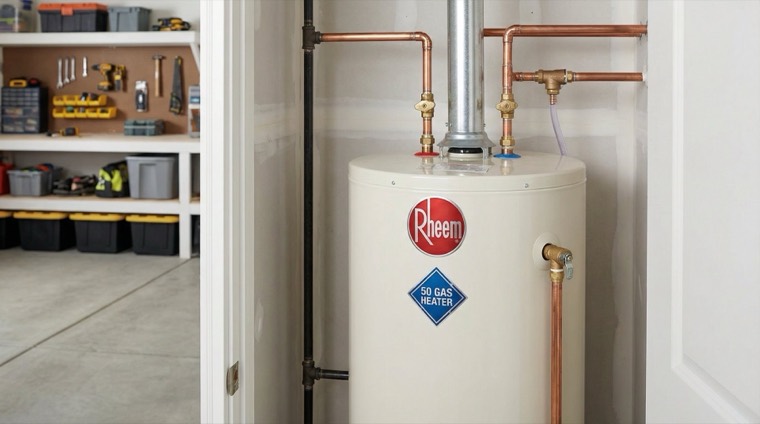
Water heater replacement in San Antonio means weighing the right unit type for South Texas water quality, your household size, and the local permit process before a single wrench turns. The short answer: most tank water heaters last 8 to 12 years here, and when yours starts failing, replacing it promptly beats the water-damage risk of waiting. CSW Power Solutions handles full water heater replacements with in-house licensed plumbers under Texas RMP46592, so there is no subcontracting handoff on one of your home's most critical systems.
Signs Your Water Heater Needs Replacing, Not Just Repairing
A few clear signals tell you a repair will not buy enough time. Rust-colored hot water coming from taps points to a corroding tank lining. A metallic taste that only shows up on the hot side confirms it. Popping or rumbling sounds during heating cycles mean sediment has hardened on the tank bottom, forcing the burner to work harder and crack the glass lining over time. A unit older than 10 years showing any of these signs is rarely worth repairing. A visible puddle under the tank seam is a replacement call, not a repair. San Antonio's hard water accelerates all of these issues, so units here tend to wear faster than the national average suggests.
How San Antonio Hard Water Shortens Water Heater Life
San Antonio sits in one of the hardest water regions in the country. Minerals, primarily calcium and magnesium carbonate, drop out of solution when water heats and settle at the bottom of the tank. That layer acts as insulation between the burner and the water, driving up gas or electricity use and cooking the tank floor. Left unchecked it turns into rock-hard scale that no flushing will remove. A water softener upstream of your water heater is one of the best long-term investments a San Antonio homeowner can make, and it is especially critical before installing a tankless unit, which is far more vulnerable to scale buildup than a standard tank. Ask your plumber whether your existing softener is sized correctly for the new unit.
Gas vs. Electric vs. Tankless: Choosing the Right Type
Most San Antonio homes with existing gas service are better served by a gas tank or gas tankless unit because CPS Energy gas rates typically make the operating cost lower than electric resistance heating. Electric heat-pump water heaters are a strong choice for homes without gas, particularly in our climate, because they pull heat from the surrounding air rather than generating it, cutting electricity use by 60 to 70 percent compared with standard electric resistance units. Tankless systems, whether gas or electric, eliminate standby heat loss entirely and provide endless hot water, which is a real advantage for larger households. The tradeoff is a higher upfront cost and a stricter installation requirement: gas tankless units often need a dedicated gas line upgrade, and electric tankless units demand 240-volt service that many older San Antonio homes do not have. See our 2026 breakdown of tankless installation costs in San Antonio for a detailed side-by-side.
Sizing Your Replacement Unit Correctly
A unit that is too small leaves you with cold showers during peak morning demand. One that is oversized wastes energy heating water nobody is using. For tank water heaters, a two-person household generally needs a 40-gallon unit; three to four people, a 50-gallon; five or more, 75 to 80 gallons. Those numbers assume reasonable hot-water habits. For tankless systems, sizing shifts to flow rate measured in gallons per minute rather than storage volume. You need to account for simultaneous draws: a shower plus a dishwasher running at the same time requires a higher flow rate than either alone. A licensed plumber will calculate the first-hour rating needed based on your actual fixture count and usage pattern, not just a rule of thumb.
San Antonio Permits and Inspections: What the Process Looks Like
The City of San Antonio Development Services Department requires a plumbing permit for water heater replacements in most circumstances, including any change to gas piping, new vent routing, or change in unit type. Pulling the permit protects you: it puts a licensed inspector on-site to verify the installation meets the International Plumbing Code as adopted by Texas, and it creates documentation that matters when you sell the home. A contractor who suggests skipping the permit is saving themselves time at your expense. CSW pulls permits as a standard part of every plumbing installation, and our plumber under RMP46592 is the responsible party on the permit, not a loophole that puts liability on you.
What Replacement Actually Costs in San Antonio
Costs vary based on unit type, size, access, and any required upgrades to gas lines, venting, or electrical service. A straightforward gas tank replacement typically falls in the range of $900 to $1,800 all-in, including the unit, labor, and permit fees, when no line changes are needed. A gas tankless replacement runs higher, generally $2,000 to $4,500 depending on venting complexity and whether the gas line requires upsizing. Electric heat-pump water heaters land between $1,400 and $2,800 installed. These are realistic ranges for San Antonio market conditions in 2026, not guarantees. Factors that push costs up include second-story or attic access, corroded shutoff valves that need replacement, code-required pan and drain upgrades, and seismic strapping required under Texas code. Any reputable plumber will quote you in writing after a site assessment.
Why Licensed In-House Installation Matters
Water heater installation involves gas lines, venting, pressure relief valves, seismic strapping, and code-required pan drains. An improperly vented gas water heater can back-draft carbon monoxide into living spaces. A missing or incorrectly set temperature-pressure relief valve is an explosion risk. These are not areas where the lowest bid matters most. CSW's plumbers carry Texas license RMP46592 and do not hand off to unlicensed day-labor crews. When something needs to be corrected, the same team who installed it is accountable. If a water emergency is already happening, our urgent plumbing line is staffed for same-day response in San Antonio. For planned replacements, book a water heater replacement assessment and we will give you a written quote before any work begins.
Frequently Asked Questions
How much does water heater replacement cost in San Antonio?
A standard gas tank water heater replacement in San Antonio typically runs $900 to $1,800 all-in when no gas line changes are needed. Tankless gas units range from $2,000 to $4,500 depending on venting and line upgrades. Electric heat-pump units generally fall between $1,400 and $2,800 installed. Final cost depends on unit size, access difficulty, and any required code upgrades.
Do I need a permit to replace a water heater in San Antonio?
Yes, in most cases. The City of San Antonio Development Services Department requires a plumbing permit for water heater replacements involving gas piping, new vent runs, or a change in unit type. A licensed plumber pulls the permit and schedules the inspection. Skipping this step creates liability for the homeowner and can complicate a home sale later.
How long do water heaters last in San Antonio?
Most tank water heaters last 8 to 12 years in San Antonio. The city's hard water accelerates mineral buildup and corrosion, often shortening that lifespan compared with softer-water markets. A water softener upstream of the unit can extend heater life considerably, and is strongly recommended before installing a tankless system.
Is tankless worth it for a San Antonio home?
For many San Antonio households, yes. Tankless units eliminate standby heat loss, provide endless hot water, and can reduce gas or electric bills meaningfully over time. The upside is strongest in larger households or homes with high simultaneous hot-water demand. The key requirements are adequate gas line capacity or electrical service, a water softener to prevent scale damage, and proper venting. An in-person assessment by a licensed plumber will tell you whether your home's current infrastructure makes the switch straightforward or involves significant upgrade costs.
C.S.W. Power Solutions is a veteran-owned, licensed general contractor serving San Antonio, TX and surrounding communities including Boerne, New Braunfels, Schertz, Stone Oak, Helotes, Alamo Ranch, Converse, Universal City, Live Oak, Leon Valley, Castle Hills, Cibolo, Seguin, and Southtown. Plumbing, electrical, HVAC, generator, EV charger, and remodeling trades all held in-house under one general-contractor license umbrella.
Call 210-504-9796, book online for a written estimate, or text photos so CSW can route plumbing, electrical, HVAC, generator, water heater, drywall, painting, restoration, or general contractor repair requests to the right crew.
Email cswpowersolutions@gmail.com. Located at 4931 Enterprise Drive, Suite 1, San Antonio, TX 78249. Business hours: Mon-Fri 7:00 AM - 6:00 PM, Sat 8:00 AM - 2:00 PM. Free written estimates within one business day.