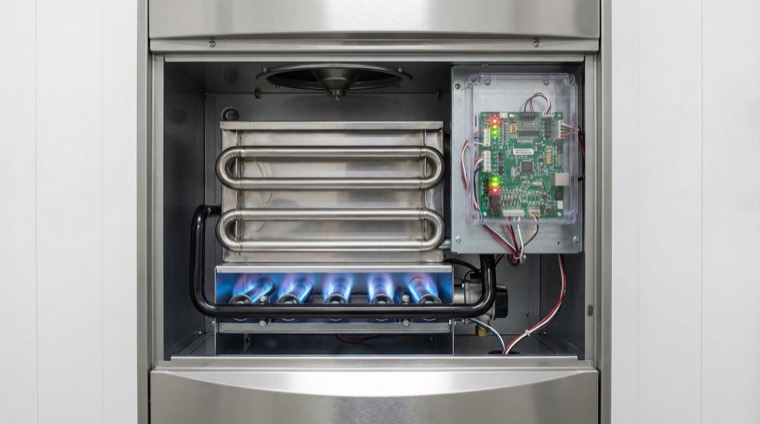
Furnace and Heating Repair San Antonio Guide
Furnace and heating repair San Antonio guide: no-heat causes, ignition issues, thermostat checks, tune-ups, and licensed HVAC help.
Furnace and heating repair in San Antonio requires quick action when winter hits. Learn the warning signs, gas safety basics, and repair-vs-replace decisions from licensed pros. This guide is part of the C.S.W. Power Solutions San Antonio homeowner library. Use the related links on this page to move from research into the matching licensed service page, compare connected trade requirements, and request a written estimate when the project needs plumbing, electrical, HVAC, generator, remodeling, restoration, or general-contractor coordination.
Furnace and Heating Repair in San Antonio
Furnace and heating repair in San Antonio matters more than most homeowners expect. San Antonio winters are short, but a single hard freeze week with a dead furnace turns uncomfortable fast, especially for older adults and young children. The city can drop into the 20s or low 30s overnight, and South Texas homes are rarely built with the thermal mass or insulation that northern climates rely on. When your heat stops working here, you feel it quickly.
Warning Signs Your Furnace Needs Service
The most common signal is simple: no heat at all. The thermostat calls for heat, the system runs or tries to run, but the air blowing out stays cool. Short cycling is the next pattern to watch. That is when the furnace fires, runs for a minute or two, then shuts off before the house reaches temperature, then repeats over and over. It usually points to an overheating heat exchanger, a dirty flame sensor, or an airflow restriction. Odd smells are another clear flag. A faint dusty smell on the first ignition of the season is usually just settled dust burning off. A persistent burning plastic odor, a sulfur or rotten-egg smell, or the sharp chemical scent of carbon monoxide should prompt you to shut the furnace off and call for service. Rattling, banging, or a loud boom on startup can mean a cracked heat exchanger, loose blower components, or a delayed ignition that lets gas pool before the burner lights. Unexplained jumps in your heating bill without a change in outside temperature or usage habits often trace back to a dirty burner, a failing inducer motor, or a heat exchanger operating at reduced efficiency. Our San Antonio HVAC team handles all of these diagnoses under one roof.
Gas Safety and Carbon Monoxide Risk
Gas furnaces carry two serious risks that require immediate attention: gas leaks and carbon monoxide. A cracked heat exchanger is the most common path for CO to enter living space in a residential gas furnace. The heat exchanger separates combustion gases from the air you breathe. When it cracks from age, thermal stress, or overheating, products of combustion mix with conditioned air and circulate through the house. CO is odorless and colorless. Symptoms of low-level exposure include headaches, nausea, and fatigue that improve when you leave the house. A CO detector on every level of your home is not optional in a gas-heated house. If your detector alarms, get everyone out and call 911 before calling your HVAC company. For gas leaks, the same rule applies: leave first, then call. CPS Energy serves the San Antonio metro and offers emergency line response, but the decision to re-enter your home belongs to the fire department and a licensed technician, not you. CSW holds HVAC license TACLA26479R and follows all Texas commission safety standards for gas appliance work.
Why South Texas Furnaces Still Fail
People sometimes assume that because San Antonio does not get prolonged winters, furnaces should last forever with no attention. The reality is that irregular use creates its own problems. A furnace that sits dormant for eight or nine months collects dust on burners and heat exchangers, allows flame sensors to oxidize, and lets pilot assemblies corrode. When a cold front hits in November and the unit fires up for the first time in months, it is running components that have not been tested since late February. South Texas also sees high humidity during the shoulder seasons, which accelerates corrosion on metal components inside the cabinet. Our HVAC blog post on getting your HVAC system winter-ready covers a complete pre-season checklist that addresses exactly these issues.
Pilot Light and Ignition Problems
Older furnaces use a standing pilot light. If it goes out, the furnace will not fire. A draft, a dirty thermocouple, or a failing gas valve can all cause a pilot to extinguish. Relighting a standing pilot is described in the owner manual and is generally safe to attempt once. If it will not stay lit after two or three attempts, the thermocouple or gas valve needs professional diagnosis. Newer furnaces use electronic ignition, either hot surface ignitors or spark igniters. Hot surface ignitors are fragile ceramic elements that glow orange to light the burner. They fail by cracking, and they are one of the most common parts replaced during a furnace service call. When an electronic ignition furnace locks out after three attempts to light, most boards flash an error code. That code tells a technician where to start. Resetting the system by cycling the power clears the lockout, but if the root cause is not fixed the unit locks out again on the next call for heat. Replacing an ignitor or cleaning a flame sensor is a straightforward repair when a licensed tech handles it. Guessing at the cause and swapping parts without diagnosis wastes money.
Thermostat and Airflow Checks Before You Call
Before scheduling a service call, run through a few quick checks. Confirm the thermostat is set to heat mode, not cool or fan-only, and that the set point is above the current room temperature. Replace the batteries if your thermostat is battery-powered. Check the filter. A clogged filter is a surprisingly common cause of furnace shutdowns because the limit switch trips when airflow is blocked and the heat exchanger gets too hot. Most residential filters should be replaced every one to three months depending on household conditions. Verify the furnace power switch on the side of the air handler is in the on position, and check that the circuit breaker for the furnace has not tripped. If all of those check out and the furnace still will not operate, it is time for a licensed technician. A smart thermostat upgrade can also prevent some issues by giving you remote visibility into the system before a problem becomes an emergency. CSW installs and programs smart thermostats in San Antonio homes as a standalone service.
Repair vs Replace: How to Think Through the Decision
The classic rule of thumb is to multiply the age of the furnace by the estimated repair cost. If that number exceeds half the cost of a new system, replacement is usually the better financial choice. A more practical way to look at it: if your furnace is under ten years old and the repair is a single failed component like an ignitor, flame sensor, or inducer motor, repair almost always makes sense. If the furnace is fifteen years or older and you are facing a heat exchanger replacement, that repair can approach new-installation cost while leaving the rest of the aging system in place. Other factors that push toward replacement include repeated repairs in a two-year span, a furnace that has never been properly maintained, or a move to higher-efficiency equipment that qualifies for a CPS Energy rebate. CSW can assess your current system and give you a straight comparison without steering you toward unnecessary equipment. When the time comes for full replacement, we handle furnace installation in San Antonio with permits pulled through the City of San Antonio Development Services and all required inspections completed.
What a Professional Heating Tune-Up Covers
A professional furnace tune-up in San Antonio is not a sales call with an inspection tag attached. It involves physically measuring gas pressure at the manifold, testing the heat exchanger with combustion analysis tools, cleaning the burner assembly, inspecting the flue for proper draft, testing the limit switch and pressure switches, measuring temperature rise across the heat exchanger, and verifying the blower motor and capacitor are within spec. A technician should also check the heat exchanger visually and with a combustion analyzer for CO levels in the supply air. This kind of systematic check catches the issues that cause no-heat calls in January before they happen. CSW schedules these visits in September and October for customers who want to be ahead of the first cold front rather than behind it.
Frequently Asked Questions
Why does my furnace blow cold air in San Antonio?
The most common causes are a tripped limit switch due to a clogged filter, a failed hot surface ignitor that is not lighting the burner, a faulty flame sensor that shuts off gas immediately after ignition, or an issue with the gas valve. Start by replacing the air filter and resetting the system. If cold air continues, a licensed HVAC technician should diagnose the ignition system and heat exchanger.
How often should I service my furnace in San Antonio?
Once per year is the standard recommendation, ideally in September or October before the first cold front. South Texas furnaces sit idle for most of the year, so pre-season service catches oxidized flame sensors, dusty burners, and cracked ignitors before they cause a no-heat call in January.
Is it safe to run my furnace if I smell something unusual?
A brief dusty smell on first use of the season is normal. A rotten-egg or sulfur smell means a possible gas leak — turn off the furnace, leave the building, and call your gas utility and 911 before re-entering. A burning plastic or chemical odor may indicate an electrical issue or a failing component. Persistent metallic or burning smells warrant a professional inspection before continued use.
How do I know if I should repair or replace my furnace?
If the furnace is under ten years old and the repair involves a single component like an ignitor or flame sensor, repair is almost always the right call. If the system is fifteen or more years old, has needed multiple repairs in the past two years, or needs a heat exchanger replacement, a full system replacement often provides better long-term value. A licensed HVAC contractor can measure your current system's efficiency and give you a side-by-side cost comparison.
C.S.W. Power Solutions is a veteran-owned, licensed general contractor serving San Antonio, TX and surrounding communities including Boerne, New Braunfels, Schertz, Stone Oak, Helotes, Alamo Ranch, Converse, Universal City, Live Oak, Leon Valley, Castle Hills, Cibolo, Seguin, and Southtown. Plumbing, electrical, HVAC, generator, EV charger, and remodeling trades all held in-house under one general-contractor license umbrella.
Call 210-504-9796, book online for a written estimate, or text photos so CSW can route plumbing, electrical, HVAC, generator, water heater, drywall, painting, restoration, or general contractor repair requests to the right crew.
Email cswpowersolutions@gmail.com. Located at 4931 Enterprise Drive, Suite 1, San Antonio, TX 78249. Business hours: Mon-Fri 7:00 AM - 6:00 PM, Sat 8:00 AM - 2:00 PM. Free written estimates within one business day.